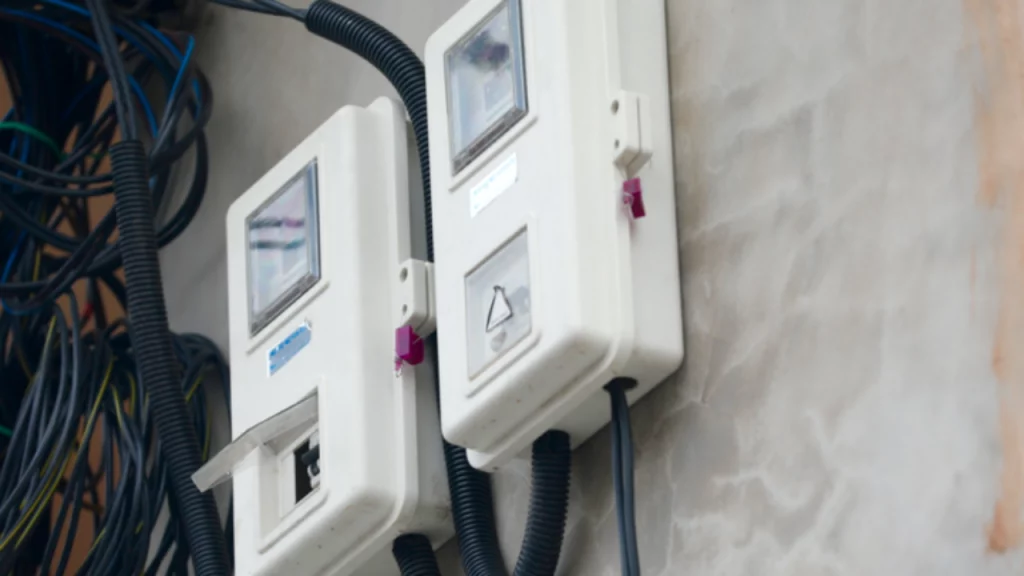
Nigerian electricity distribution companies deploying smart metering infrastructure face a perplexing connectivity challenge. Consequently, POS terminals and other IoT devices connect reliably to roaming SIMs after basic APN configuration and roaming activation. However, smart meters equipped with similar IoT connectivity solutions frequently experience persistent connection failures even after proper VPN setup. This disconnect between device types reveals deeper technical issues undermining Nigeria’s smart metering initiatives.
The problem proves particularly frustrating because smart meter IoT connectivity Nigeria should function identically to other cellular IoT devices. Both use similar universal SIM cards, both operate on the same multinetwork infrastructure, and both require comparable configuration processes. Nevertheless, meters deployed across Lagos, Abuja, and other Nigerian states remain offline or exhibit intermittent connectivity while POS terminals in the same locations function flawlessly.
This comprehensive guide examines the root causes of smart meter connectivity failures in Nigerian contexts. You’ll discover why obsolete 2G modems create fundamental incompatibilities, how VPN configurations interact with aging communication modules, and practical solutions for achieving reliable meter connectivity. Additionally, we’ll explore why meters may show as “online” on networks but fail ping tests through VPN connections—a diagnostic scenario plaguing Nigerian utilities implementing smart metering programs.
1. Understanding the Smart Meter Connectivity Problem
Why POS Terminals Connect Easily
POS terminals represent success stories in Nigerian IoT connectivity. Banks deploying thousands of terminals across 36 states achieve reliable operations using roaming SIMs and multinetwork solutions from providers like Genyz Solutions. The configuration process proves straightforward: technicians set appropriate APNs, enable roaming, insert universal SIM cards, and devices immediately establish connections across MTN, Airtel, Glo, and 9mobile networks.
This reliability stems from several factors. First, POS terminals typically incorporate modern 4G LTE modems supporting current cellular technologies. These modules connect seamlessly to Nigerian network infrastructure without compatibility concerns. Second, POS devices use relatively simple connectivity requirements—basic data transmission without complex VPN or security layering during initial connection establishment.
Third, POS terminal manufacturers actively maintain firmware addressing connectivity issues as they emerge. Regular updates optimize network selection, improve APN handling, and enhance roaming behavior. Finally, POS deployments benefit from robust technical support ecosystems where banking institutions demand—and receive—rapid issue resolution from terminal manufacturers and connectivity providers.
For businesses like FCMB and Wema Bank managing extensive POS networks, these factors combine delivering the M2M connectivity Africa requires for financial services reliability. Terminals process transactions consistently, transmit data reliably, and rarely experience connectivity failures requiring technical intervention.
Smart Meters Present Different Challenges
Smart electricity meters deployed across Nigerian distribution companies encounter significantly different operational contexts. Unlike POS terminals replaced every 3-5 years, utility meters have 15-20 year expected lifespans. Consequently, meters manufactured years ago for Nigeria’s metering gaps now contain communication modules designed for obsolete network technologies.
Furthermore, utility procurement processes prioritize cost optimization over technical specifications. When distribution companies purchase thousands of meters simultaneously, they select lowest-cost options meeting minimum requirements. This economic pressure results in meter fleets incorporating cheap, outdated communication modules rather than premium components ensuring long-term connectivity reliability.
The complexity extends to operational requirements. Smart meters don’t simply transmit payment data like POS terminals. Instead, they communicate consumption readings, tamper alerts, power quality metrics, and bidirectional commands through utility backend systems. These systems typically implement VPN connectivity for security—adding configuration complexity absent from simpler POS deployments.
Moreover, smart meter installations occur in challenging RF environments—metal enclosures, underground chambers, interior building locations—where cellular signals struggle to penetrate effectively. While POS terminals operate in retail locations optimizing connectivity, meters inhabit locations selected for electrical utility rather than telecommunications performance.
The Core Problem: Obsolete 2G Modems
The fundamental issue undermining smart meter IoT connectivity Nigeria initiatives involves obsolete 2G communication modules. According to industry analysis, a significant portion of meters manufactured for Nigerian deployment contain GPRS-based communication modems despite current NERC specifications focusing on 4G technology. These aging 2G modems create multiple connectivity vulnerabilities.
First, 2G networks across Nigeria receive minimal infrastructure investment as operators prioritize 4G LTE and emerging 5G deployments. Coverage gaps expand as carriers decommission 2G equipment in favor of modern technologies. Meters depending on 2G connectivity lose service in areas where only 3G, 4G, or 5G networks remain operational.
Second, 2G modems exhibit poor interoperability with modern network configurations. Universal SIM solutions automatically switch between carriers seeking optimal connectivity. However, 2G modules often implement primitive network selection algorithms failing to leverage multinetwork capabilities effectively. They may attempt connecting to networks no longer supporting 2G, ignore available alternative carriers, or fail during handoff between networks.
Third, 2G technology provides insufficient bandwidth for modern smart metering requirements. As utilities expand meter capabilities—adding real-time consumption monitoring, power quality analysis, and distribution automation features—data transmission requirements grow beyond 2G capacity. Modem limitations bottleneck communications even when network connectivity exists.
Finally, security implementations on 2G modems fail meeting current NCC requirements for IoT device protection. Legacy encryption protocols, outdated authentication mechanisms, and insufficient firmware update capabilities expose meters to security vulnerabilities while simultaneously creating configuration conflicts with modern VPN solutions.
2. VPN Configuration Challenges with Legacy Modems
Why VPNs Complicate Smart Meter Connectivity
Nigerian utilities implement VPN connectivity for smart meters protecting sensitive consumption data and preventing unauthorized access to distribution automation systems. These VPN requirements add significant complexity compared to simpler POS terminal connectivity. Moreover, legacy 2G modems incorporate limited processing power and memory inadequate for modern VPN protocol handling.
When meters establish cellular connections, they must complete multiple sequential steps. First, modems authenticate with carrier networks using SIM credentials. Second, they establish data sessions through configured APNs. Third, they initialize VPN client software negotiating encrypted tunnels to utility backend systems. Finally, they maintain VPN connectivity while transmitting meter data and receiving commands.
Each step introduces potential failure points. Legacy modems may successfully complete network authentication and data session establishment—appearing “online” from cellular network perspectives—but fail during VPN initialization. The processing overhead for VPN encryption exceeds modem capabilities. Or outdated VPN client implementations lack compatibility with modern security requirements implemented by utility IT departments.
The result manifests as the diagnostic scenario frustrating Nigerian utilities: meters show connected status on SIM management platforms indicating successful cellular connectivity, yet fail ping tests through VPN tunnels indicating application-level communication failures. From network perspectives, devices appear functional. From utility perspectives, they remain non-operational.
Protocol Incompatibilities and Firmware Limitations
Obsolete 2G modems implement communication protocol stacks designed for simpler networking environments prevalent years ago. Modern cellular networks, however, employ sophisticated traffic management, security policies, and Quality of Service mechanisms these legacy stacks struggle handling effectively.
For example, modern operators implement carrier-grade NAT (Network Address Translation) conserving IPv4 address space. Legacy modems expecting public IP addresses encounter connectivity issues when assigned private addresses behind carrier NAT. VPN protocols assuming direct addressability fail establishing connections through these NAT layers without proper configuration—configuration that obsolete modem firmware doesn’t support.
Similarly, operators implement firewall policies blocking unusual traffic patterns protecting network infrastructure from IoT device compromises. Legacy modems generating malformed packets or using deprecated protocol versions trigger these protections, resulting in blocked connections despite successful initial network attachment. The modems lack firmware sophistication recognizing and adapting to these protection mechanisms.
Compounding these technical incompatibilities, obsolete modems rarely receive firmware updates addressing discovered issues. Manufacturers discontinue support for aging communication modules, leaving deployed devices with whatever software versions they shipped with originally. As network environments evolve—operators upgrade infrastructure, security requirements tighten, protocols advance—static modem firmware falls increasingly behind, unable to adapt.
The Ping Paradox: Online But Unreachable
The specific scenario where smart meters appear online on universal SIM management platforms but fail ping tests through VPN connections reveals layered connectivity issues. This diagnostic pattern indicates meters successfully establish cellular data sessions—the SIM management platform confirms modems attached to networks and consuming data. However, actual application-level communication through VPN tunnels fails completely.
Several technical factors create this paradox. First, modems may establish initial VPN connections briefly—sufficient for SIM platforms registering “online” status—but fail maintaining stable VPN sessions. Background keep-alive mechanisms don’t function correctly, causing VPN tunnels to collapse shortly after establishment while cellular sessions remain active.
Second, routing configurations may direct some traffic through VPN tunnels successfully while blocking others. SIM management platforms query device status through control channels separate from application VPN tunnels. These control channels function correctly showing “online” status. Meanwhile, application traffic attempting to route through configured VPN tunnels encounters routing failures, firewall blocks, or MTU issues causing packet loss.
Third, DNS resolution failures create scenarios where modems establish all network layers successfully but cannot resolve utility backend system addresses through VPN connections. Without proper DNS configuration integrated with VPN tunnel routing, application-level connectivity fails despite lower network layers functioning correctly.
This diagnostic pattern proves particularly frustrating because traditional troubleshooting approaches fail. Network engineers verify cellular connectivity exists—confirmed by SIM platforms. They verify VPN configurations match specifications. Yet meters remain functionally offline from utility backend system perspectives. The root cause traces to fundamental incompatibilities between obsolete modem capabilities and modern networking requirements.
3. The 2G Network Sunset and Nigerian Infrastructure
Global and Local 2G Phase-Out Trends
Network operators worldwide actively decommission 2G infrastructure as they redirect spectrum and investment toward 4G LTE and 5G deployments. The 2G/3G network sunset represents major challenges for IoT industries, with energy sectors especially impacted as millions of communication hubs face functionality loss when 2G and 3G networks close. This global trend directly impacts Nigerian smart metering initiatives depending on 2G connectivity.
Nigerian operators follow similar trajectories. While 2G networks remain partially operational supporting legacy voice services, coverage gaps expand as operators prioritize modern technology deployments in high-value urban corridors. Rural areas and secondary cities—where smart meter deployments prove most challenging—increasingly lack reliable 2G coverage as infrastructure investments concentrate on 4G and 5G urban rollouts.
The timeline accelerates as equipment ages. 2G base stations deployed 15-20 years ago approach end-of-life requiring replacement or decommissioning. Operators choosing decommissioning rather than replacement expand 2G coverage gaps progressively. Meters deployed in 2G-dependent configurations face increasing connectivity failures as local network availability degrades.
Moreover, even where 2G networks remain operational, performance and reliability decline. Operators minimize maintenance investments on deprecating technologies. Network congestion increases as remaining 2G capacity serves shrinking device populations without infrastructure expansion. For Nigerian smart meters competing with other 2G devices for limited network resources, connectivity becomes increasingly unreliable.
Nigerian Telecommunications Infrastructure Reality
Nigeria’s telecommunications landscape presents unique characteristics affecting smart meter IoT connectivity. Nigeria accounts for around 40% of Africa’s 1.4 billion population, positioning the country as critical player in continental digital transformation. However, infrastructure development occurs unevenly across the country’s vast geography.
Lagos, Abuja, and major commercial centers offer robust 4G LTE coverage with emerging 5G availability. These areas support modern IoT deployments using current cellular technologies. However, many secondary cities and rural areas where electricity distribution expansion occurs most actively receive limited 4G infrastructure investment. Smart meters deployed in these locations require connectivity technologies matching available infrastructure—often 3G or residual 2G rather than preferred 4G solutions.
The Nigerian Communications Commission (NCC) continues developing spectrum policies and infrastructure frameworks supporting IoT growth. However, regulatory processes move slower than technology evolution. Smart meter specifications emphasizing 4G technologies don’t guarantee 4G network availability across all deployment locations. This creates mismatches between specified technical requirements and practical connectivity realities.
Furthermore, network reliability varies significantly between Nigerian operators. No single carrier provides comprehensive coverage across all 36 states with consistent quality. This variability necessitates multinetwork IoT connectivity solutions using universal SIM cards from providers like Genyz Solutions. However, obsolete 2G modems cannot fully leverage multinetwork capabilities, limiting their ability to maintain connectivity across Nigeria’s heterogeneous telecommunications landscape.
Future-Proofing Considerations
Smart meters typically possess 15-20 year lifespans, requiring communication technologies supporting minimum cost without requiring additional upgrades throughout operational periods. This longevity requirement demands forward-looking connectivity planning rather than deploying technologies already approaching obsolescence.
Meters deployed today with 2G modems face inevitable connectivity failures within years as network sunsets progress. Utilities forced to retrofit communication modules or replace entire meter fleets incur substantial unexpected costs undermining smart metering business cases. Therefore, future-proof connectivity strategies prove economically essential for Nigerian utilities’ long-term success.
Modern connectivity solutions incorporate multi-RAT (Radio Access Technology) support spanning 2G through 5G. These flexible modems adapt to available network technologies automatically—using 5G where available, falling back to 4G in areas lacking 5G, and supporting 3G or 2G only when necessary for legacy compatibility. This adaptability ensures meters remain operational throughout their lifecycles regardless of network evolution.
Additionally, modular modem designs enable field upgrades without complete meter replacement. When network technologies advance beyond current modem capabilities, utilities replace communication modules alone rather than entire meters. This approach protects meter hardware investments while maintaining connectivity currency. For Nigerian utilities managing tight budgets and extensive deployment requirements, modular upgradeability proves financially prudent.
4. Modem Hardware Limitations and Compatibility Issues
Processing Power and Memory Constraints
Legacy 2G modems incorporate severely constrained computing resources compared to modern IoT communication modules. These limitations manifested acceptable performance for simple data transmission tasks they originally targeted. However, contemporary smart metering requirements—including VPN connectivity, security protocol execution, and complex application logic—exceed their processing capabilities fundamentally.
Modern VPN protocols like IPSec or OpenVPN require substantial computational overhead for encryption and decryption operations. Each data packet transmitted or received undergoes cryptographic processing protecting confidentiality and integrity. Legacy 2G modem processors, designed for minimal power consumption rather than computational performance, struggle maintaining acceptable throughput under VPN encryption loads.
Memory limitations prove equally problematic. VPN client software, connection state tables, cryptographic key storage, and application buffers all consume RAM. Obsolete modems allocating minimal memory for basic communication functions lack resources supporting these additional requirements. When memory exhaustion occurs, modems experience crashes, connection failures, or unpredictable behavior undermining reliable operation.
Furthermore, flash memory limitations prevent firmware complexity necessary for modern functionality. Advanced features like intelligent network selection, adaptive power management, security protocol updates, and diagnostic capabilities require substantial code storage. Legacy modems with minimal flash capacity cannot accommodate feature-rich firmware addressing contemporary operational requirements.
Network Protocol Stack Deficiencies
The communication protocol stacks implemented in 2G modems reflect networking assumptions and requirements from their design eras. As cellular network architectures evolved—introducing LTE packet core designs, all-IP routing, sophisticated QoS mechanisms, and advanced mobility management—these legacy stacks became increasingly mismatched with actual network behaviors.
For instance, modern cellular networks implement complex bearer management differentiating traffic classes and applying appropriate quality treatments. Application data, VoIP, video streaming, and IoT telemetry receive different network handling ensuring optimal performance for each traffic type. Legacy 2G modems implementing simplistic bearer models fail requesting appropriate QoS configurations, resulting in suboptimal or failed connectivity for smart metering applications.
Similarly, mobility management procedures changed substantially across cellular generations. 2G networks implemented location updates and handoffs using procedures deprecated in modern LTE and 5G networks. Legacy modems expecting obsolete procedures encounter failures when networks respond using current mechanisms. These incompatibilities manifest as dropped connections during device movement, failed reconnection attempts, or inability to maintain persistent sessions.
The protocol mismatches extend to application layers. Modern smart metering backend systems implement IoT application protocols like MQTT or CoAP optimized for constrained devices and intermittent connectivity. However, legacy modems may lack native support for these protocols, requiring application-layer implementations consuming additional processing and memory resources already constrained. Or worse, they may implement proprietary protocols incompatible with standard backend systems, necessitating costly gateway infrastructure translating between incompatible communication approaches.
Modem-SIM Interface Limitations
Even when using modern universal SIM solutions supporting multinetwork connectivity, obsolete 2G modems cannot fully leverage these capabilities due to modem-SIM interface limitations. The communication between cellular modems and SIM cards follows standardized protocols, but feature availability depends on modem firmware implementations.
Universal SIM technology enabling automatic carrier switching requires modems supporting network scanning, profile switching, and dynamic reconfiguration. Legacy 2G modems implementing basic SIM interfaces lack these advanced capabilities. They read static configurations from SIMs but cannot respond to dynamic profile updates or switching commands. Consequently, universal SIMs inserted into obsolete modems operate essentially as traditional single-carrier SIMs, negating multinetwork advantages.
Additionally, security enhancements available in modern SIM technologies—including mutual authentication, enhanced encryption, and secure channel establishment—require modem-side support for implementation. Legacy modems lacking these security features cannot utilize enhanced SIM security capabilities, leaving connections vulnerable despite deploying security-enhanced SIMs. For Nigerian utilities requiring NCC-compliant security implementations, these gaps create regulatory compliance concerns beyond pure connectivity issues.
The SIM interface limitations also affect remote management capabilities. Modern SIM management platforms enable over-the-air SIM profile updates, remote diagnostics, and connectivity troubleshooting. However, these capabilities require modems implementing appropriate management interfaces and responding correctly to management commands. Legacy modems with primitive SIM interfaces prevent effective remote management, necessitating expensive field visits for troubleshooting and configuration changes that should occur remotely.
5. Practical Solutions for Nigerian Smart Meter Connectivity
Immediate Fixes: Configuration Optimization
For Nigerian utilities struggling with existing smart meter deployments using 2G modems, several configuration optimization approaches can improve connectivity success rates even without hardware replacement. While these measures don’t eliminate fundamental modem limitations, they maximize reliability given current infrastructure.
First, optimize APN configurations for minimal overhead. Some APNs implement additional processing or routing adding latency and complexity that overwhelm limited modem capabilities. Work with connectivity providers like Genyz Solutions identifying APNs optimized for constrained IoT devices, minimizing processing overhead while maintaining necessary functionality.
Second, simplify VPN configurations reducing encryption overhead. Where security requirements permit, use lighter encryption algorithms consuming fewer processing cycles. Consider protocol choices balancing security and performance—some VPN protocols prove more efficient on constrained hardware than alternatives providing equivalent security. Engage with utility IT security teams explaining modem limitations and negotiating acceptable security trade-offs enabling connectivity.
Third, implement connection keep-alive mechanisms appropriate for constrained devices. Default VPN timeouts may exceed modem capabilities for maintaining sessions. Configure longer timeouts or less frequent keep-alive intervals reducing processing burdens. However, balance these adjustments against backend system requirements for timely meter communications.
Fourth, leverage SIM management platform capabilities for connectivity monitoring and proactive intervention. Platforms like those from Genyz Solutions detect connectivity degradation patterns enabling proactive troubleshooting before complete failures occur. Configure alerts notifying operations teams when meters exhibit warning signs like increasing connection attempts, session duration decreases, or data throughput declines.
Medium-Term Solutions: Selective Modem Upgrades
For meters demonstrating persistent connectivity failures despite configuration optimizations, selective modem replacement provides cost-effective alternatives to wholesale meter replacements. Modern communication modules supporting 4G LTE, Cat-M1, or NB-IoT technologies offer dramatically improved connectivity reliability while remaining compatible with existing meter hardware.
Many smart meter manufacturers design communication modules as field-replaceable components specifically enabling technology upgrades without meter replacement. Utilities can selectively target meters in challenging locations or those experiencing chronic connectivity issues for modem upgrades while leaving successfully operating meters unchanged. This selective approach optimizes upgrade investments by addressing highest-impact situations first.
Upgraded modems support modern universal SIM capabilities fully, enabling true multinetwork connectivity across MTN, Airtel, Glo, and 9mobile networks. They implement current VPN protocols efficiently, execute modern security requirements, and provide processing power adequate for contemporary smart metering application demands. The connectivity reliability improvements typically justify upgrade costs through reduced operational expenses for field visits and improved data collection rates.
Furthermore, modern modems incorporate advanced diagnostic capabilities simplifying troubleshooting and reducing support costs. When connectivity issues occur, these modems provide detailed logging, network state information, and diagnostic interfaces enabling remote problem identification and resolution. This visibility proves invaluable for Nigerian utilities managing geographically distributed meter deployments where field access proves time-consuming and expensive.
When planning modem upgrade programs, utilities should prioritize modules supporting multiple cellular generations (4G with 3G/2G fallback) and future technologies (5G readiness). This multi-RAT support protects investments as Nigerian network infrastructure continues evolving. Additionally, select modems from manufacturers committed to long-term firmware support ensuring devices receive updates addressing discovered issues throughout their operational lives.
Long-Term Strategy: Modern Infrastructure Planning
Nigerian utilities planning new smart meter deployments or large-scale fleet expansions should incorporate connectivity infrastructure planning equal in importance to meter technical specifications. Procurement decisions emphasizing lowest initial costs often burden utilities with connectivity challenges generating far greater total costs through operational lifetimes.
Specify communication modules supporting current cellular technologies (4G LTE minimum) with future technology readiness (5G capability). Reject proposals incorporating obsolete 2G-only modems regardless of attractive pricing. The short-term cost savings prove illusory when connectivity failures generate ongoing operational expenses and meter replacement requirements within years rather than decades.
Require modular modem designs enabling field upgrades as technologies evolve. Meters with non-replaceable communication modules lock utilities into connectivity technologies becoming obsolete before meter hardware lifecycles complete. Modular designs protect investments enabling cost-effective technology updates extending total ownership value.
Establish partnerships with specialized IoT connectivity providers offering comprehensive managed services beyond basic SIM provisioning. Providers like Genyz Solutions delivering universal SIM technology, SIM management platforms, multinetwork intelligence, and expert technical support transform connectivity from liability to asset. Their M2M connectivity Africa expertise navigates Nigerian infrastructure complexities that single-carrier approaches cannot address effectively.
Implement pilot programs testing proposed connectivity solutions under actual deployment conditions before committing to large-scale procurements. Deploy representative meter quantities across diverse geography including challenging locations. Monitor connectivity performance, troubleshoot issues, and validate vendor support responsiveness. Pilots revealing connectivity challenges enable course corrections before investments reach scales making changes prohibitively expensive.
Working with Connectivity Specialists
Nigerian utilities benefit substantially from partnerships with IoT connectivity specialists understanding local telecommunications realities. Generic international solutions often fail addressing Nigeria-specific challenges around network coverage heterogeneity, operator performance variability, and infrastructure evolution patterns.
Genyz Solutions’ Nigerian presence enables responsive local support when connectivity issues arise. Technical teams understanding MTN, Airtel, Glo, and 9mobile network characteristics troubleshoot problems within local contexts rather than applying generic international approaches. This local expertise accelerates issue resolution critical for utilities facing performance targets and customer satisfaction commitments.
Universal SIM solutions from specialized providers deliver multinetwork redundancy essential for Nigerian deployments. When meters experience connectivity failures on primary carriers, automatic switching to alternative networks maintains operations without manual intervention. For utilities managing thousands of meters across diverse geography, this automated resilience prevents cascading connectivity failures requiring expensive mass truck rolls.
SIM management platforms provide visibility and control impossible with traditional connectivity approaches. Utilities monitor fleet-wide connectivity status, identify problematic locations or patterns, and take proactive corrective actions remotely. When configuration adjustments prove necessary—APN changes, VPN parameter updates, security modifications—platforms enable mass updates without field visits to thousands of meter locations.
Transparent Naira pricing from local specialists eliminates currency risk affecting international providers billing in foreign currencies. Nigerian utility CFOs budget accurately for multi-year connectivity costs without exchange rate uncertainty undermining financial planning. This predictability proves particularly valuable for government-funded metering programs operating under fixed budgets requiring cost certainty.
6. Technical Diagnostics: Troubleshooting the Ping Failure Scenario
Understanding the Diagnostic Process
When smart meters show “online” status in SIM management platforms but fail responding to ping tests through VPN connections, systematic diagnostic approaches identify root causes enabling targeted fixes. This scenario indicates successful cellular network attachment but failed application-level connectivity—a layered problem requiring layered analysis.
Begin diagnostics by verifying cellular connectivity fundamentals independent of VPN configurations. Use SIM management platform tools confirming meters successfully register on cellular networks, establish data sessions, and generate traffic. If platforms show active connections with data transmission occurring, cellular layers function correctly—eliminating network coverage, SIM provisioning, and basic modem operation as problem sources.
Next, isolate VPN layer functionality. Attempt connecting to meters using cellular data paths bypassing VPN tunnels if possible. This may require temporarily reconfiguring utility backend systems accepting direct cellular connections. If direct connections succeed while VPN connections fail, VPN configuration or compatibility issues represent likely causes rather than fundamental modem or network problems.
Examine VPN client logs on meter modems if accessible. Modern modems provide diagnostic logging revealing VPN connection attempts, negotiation failures, authentication issues, or traffic routing problems. While legacy 2G modems often lack comprehensive logging capabilities, any available information helps narrowing problem scope. Common log indicators include failed authentication attempts, encryption negotiation failures, or routing table inconsistencies.
Verify VPN server configurations accept connections from cellular IP addresses assigned by Nigerian carriers. Some VPN implementations restrict allowed source addresses or apply carrier-specific access policies. If utility VPN servers don’t explicitly permit traffic from MTN, Airtel, Glo, or 9mobile IP ranges, legitimate connection attempts will fail despite correct client configurations.
Common Failure Patterns and Remedies
The “online but unpingable through VPN” scenario typically manifests from several recurring failure patterns, each requiring different remediation approaches:
MTU mismatches – VPN encapsulation increases packet sizes. If cellular network paths implement smaller Maximum Transmission Units than VPN-encapsulated packets require, packet fragmentation or dropping occurs. Legacy modems often fail handling fragmentation appropriately, resulting in silent packet loss. Remedy involves adjusting VPN MTU settings accommodating cellular path limitations or configuring path MTU discovery if modem firmware supports it.
NAT traversal failures – Nigerian cellular operators implement carrier-grade NAT assigning private IP addresses to devices. VPN protocols expecting public IP addressing encounter NAT traversal challenges. Legacy modems lack sophisticated NAT handling, causing VPN connection establishment failures. Remedies include enabling VPN server NAT traversal modes, using VPN protocols specifically designed for NAT environments, or arranging dedicated APNs providing public IP addressing for meter traffic.
Firewall policy blocks – Utility VPN servers or intervening firewalls may block traffic not matching expected patterns. Legacy modems generating slightly malformed packets or using deprecated protocol options trigger firewall rejections. Packet captures at VPN servers reveal these failures. Remedies involve adjusting firewall policies accepting traffic variations from constrained devices or upgrading modem firmware if available addressing protocol conformance issues.
DNS resolution failures – Meters may successfully establish VPN tunnels but fail resolving utility backend server addresses through VPN routing. If DNS configurations don’t properly integrate with VPN tunnel routing, application connectivity fails despite network layers functioning. Remedies include configuring meters with specific DNS server IP addresses accessible through VPN tunnels or implementing split DNS configurations separating cellular and VPN name resolution.
Keep-alive timeout issues – Legacy modems may establish VPN connections successfully but fail maintaining sessions due to inadequate keep-alive handling. When VPN servers terminate idle sessions, modems don’t recognize disconnections and fail reestablishing connections automatically. Applications attempting communication through dead VPN sessions receive no responses. Remedies involve adjusting VPN timeout configurations accommodating modem limitations or implementing application-layer detection and recovery handling VPN session losses.
Advanced Troubleshooting Tools and Techniques
For persistent connectivity issues resisting standard troubleshooting approaches, advanced diagnostic techniques provide additional problem-solving capabilities:
Network packet capture analysis – Capturing packets at both meter modems (if technically feasible) and VPN servers reveals exact communication sequences identifying where failures occur. This technique requires technical expertise interpreting protocol exchanges but definitively identifies problematic network behaviors. For challenging cases, engaging with Genyz Solutions’ technical teams provides access to expert packet analysis capabilities.
Serial console monitoring – If meters provide serial console access, connecting during boot and connection processes reveals detailed operational information unavailable through standard interfaces. Console logs show modem initialization sequences, network attachment procedures, and application startup behaviors. Anomalies visible in console output often point directly to configuration issues or firmware bugs causing connectivity failures.
Test SIM comparison – Deploying test SIMs with different configurations helps isolate whether problems stem from SIM provisioning, carrier network issues, or modem incompatibilities. If test SIMs from Genyz Solutions with known-good configurations function correctly while production SIMs fail, attention focuses on production SIM configurations rather than hardware or network issues.
Controlled environment testing – When feasible, bringing problematic meters into controlled environments with known network conditions enables systematic troubleshooting. Testing meters in laboratory settings with consistent cellular coverage, direct VPN server access, and packet capture capabilities accelerates root cause identification eliminating variables present in field deployments.
Vendor technical escalation – For issues clearly involving modem firmware limitations or bugs, escalating through meter manufacturers to modem chipset vendors sometimes yields firmware updates or workarounds. While legacy 2G modems rarely receive updates, documenting specific technical failures and engaging vendor support occasionally produces solutions benefiting entire meter fleets beyond individual problematic units.
7. Implementing Robust Smart Meter Connectivity Across Nigeria
Developing Comprehensive Deployment Standards
Nigerian utilities implementing or expanding smart metering programs should establish comprehensive connectivity standards preventing problems before deployment. These standards encode lessons learned from early implementations, incorporating technical requirements ensuring reliable long-term operation.
Connectivity standards should specify minimum modem capabilities including supported cellular generations (4G minimum, 5G preferred), protocol implementations (specific VPN protocols with performance characteristics), security features (encryption algorithms, authentication mechanisms), and management interfaces (remote configuration, diagnostic logging, firmware update capabilities). Detailed technical specifications prevent vendors proposing inadequate solutions meeting minimal requirements on paper while failing operational realities.
Additionally, standards should define environmental and operational requirements addressing Nigerian deployment conditions. Temperature ranges, humidity tolerance, RF interference resilience, and power consumption limits ensure selected equipment survives actual installation environments. Many international meter specifications assume benign indoor installations rather than challenging outdoor or industrial environments common in Nigerian deployments.
Testing and certification requirements enforce standards practically. Before accepting meter deliveries, utilities should require manufacturers demonstrating connectivity compliance through standardized test procedures. These tests should validate performance across different Nigerian carriers, confirm VPN interoperability with utility backend systems, and verify management platform integration. Comprehensive acceptance testing prevents deploying equipment failing to meet standards despite vendor claims of compliance.
Finally, standards should address lifecycle management including firmware update mechanisms, spare parts availability, technical support commitments, and end-of-life planning. These non-technical requirements prove equally important as technical specifications for ensuring long-term operational success. Vendors unable committing to long-term support should be excluded regardless of attractive upfront pricing.
Building Internal Technical Capabilities
While partnering with specialized connectivity providers delivers substantial value, Nigerian utilities should also develop internal technical capabilities supporting smart meter connectivity management. This internal expertise enables informed vendor selection, intelligent troubleshooting collaboration, and strategic technology planning.
Training programs should develop utility staff understanding cellular IoT fundamentals, VPN technologies, network security principles, and diagnostic techniques. Staff understanding these technical foundations communicate more effectively with vendors, ask informed questions during procurement processes, and recognize vendor claims requiring verification. Additionally, technically capable staff troubleshoot routine connectivity issues independently, reserving vendor escalation for complex cases requiring specialized expertise.
Investment in diagnostic tools and testing infrastructure enables internal connectivity validation and troubleshooting. Basic tools include SIM readers, cellular signal analyzers, network packet capture equipment, and VPN testing tools. With appropriate equipment, utility technical teams validate configurations, diagnose common problems, and verify vendor-proposed solutions before field deployment.
Establishing relationships with multiple vendors and connectivity providers prevents single-vendor dependence. Nigerian utilities serving millions of customers cannot afford connectivity infrastructure depending on single vendors whose business failures or service discontinuations create operational disasters. Diversified relationships provide alternatives when primary vendors encounter difficulties while enabling competitive procurement through multiple sourcing options.
Documentation and knowledge management processes capture tribal knowledge ensuring it persists beyond individual employee tenures. Smart meter connectivity involves substantial complexity with many configuration details, diagnostic procedures, and vendor-specific quirks. Systematic documentation makes this knowledge accessible to new staff, supports consistent troubleshooting approaches across teams, and protects organizational capabilities against staff turnover.
Partnering for Success with Genyz Solutions
Nigerian utilities seeking reliable smart meter IoT connectivity benefit substantially from partnering with specialized providers offering comprehensive managed services. Genyz Solutions delivers proven expertise addressing Nigerian infrastructure challenges through universal SIM technology, multinetwork intelligence, and expert technical support specifically designed for African telecommunications environments.
The universal SIM solutions eliminate single-carrier vulnerabilities undermining traditional connectivity approaches. Smart meters automatically connect through MTN, Airtel, Glo, or 9mobile networks depending on local coverage and performance. When primary carriers experience outages or degradation, seamless switching maintains operations without manual intervention—critical for utilities managing thousands of distributed devices.
SIM management platforms provide centralized visibility and control across entire meter fleets. Utilities monitor connectivity status in real-time, identify problematic patterns, and implement configuration adjustments remotely. This centralized management capability transforms connectivity from reactive troubleshooting to proactive optimization, dramatically reducing operational costs while improving data collection reliability.
Furthermore, Genyz’s Nigerian presence enables responsive local technical support when connectivity challenges arise. Teams understanding local network conditions, carrier characteristics, and regulatory requirements troubleshoot issues effectively within Nigerian contexts. This local expertise proves invaluable compared to international providers managing Nigerian operations remotely without deep local telecommunications knowledge.
Transparent Naira pricing eliminates currency risk and enables accurate multi-year budget planning essential for government-funded metering programs. Rather than exposure to dollar or euro exchange rate fluctuations, utilities pay predictable Naira-denominated fees protecting budgets from foreign currency volatility.
Conclusion: Achieving Reliable Smart Meter Connectivity in Nigeria
Smart meter IoT connectivity challenges plaguing Nigerian utilities stem primarily from obsolete 2G communication modules unable meeting modern connectivity requirements. While POS terminals and other IoT devices function reliably using identical roaming SIMs and multinetwork solutions, meters incorporating legacy modems struggle with VPN configurations, network evolution, and constrained processing capabilities.
The frustrating scenario where meters show “online” status but fail application connectivity reveals layered incompatibilities between aging hardware and contemporary networking requirements. 2G modems lack processing power for efficient VPN execution, implement protocol stacks mismatched with modern networks, and cannot leverage universal SIM multinetwork capabilities fully.
Solutions exist spanning immediate configuration optimizations, selective modem upgrades for problematic units, and long-term infrastructure planning incorporating modern communication technologies. Nigerian utilities should prioritize future-proof connectivity specifications, develop internal technical capabilities, and partner with specialized providers offering managed services designed for African telecommunications realities.