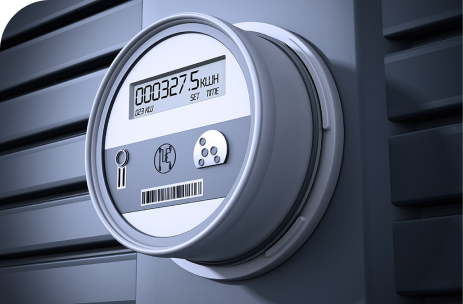
Nigeria’s power sector faces persistent challenges—inconsistent grid supply, rising energy costs, and infrastructure gaps that limit economic growth. As businesses and industries seek reliable alternatives, smart energy systems emerge as transformative solutions that combine IoT connectivity, automation, and intelligent management to optimize energy generation, distribution, and consumption. These systems leverage advanced technologies to create sustainable, efficient energy infrastructure capable of addressing Nigeria’s unique power challenges while supporting the country’s economic development goals.
What Are Smart Energy Systems?
Smart energy systems represent integrated networks of energy generation, storage, distribution, and consumption devices connected through IoT technology and managed by intelligent software platforms. Unlike traditional energy infrastructure, these systems utilize real-time data collection, analytics, and automated control to optimize energy flows, predict demand patterns, and respond dynamically to changing conditions.
At their core, smart energy systems incorporate sensors, controllers, communication networks, and analytics platforms working together seamlessly. Multinetwork SIM technology plays a crucial role in maintaining consistent connectivity across Nigeria’s diverse telecommunications landscape, ensuring that remote monitoring solutions function reliably even in areas with challenging network coverage. These systems enable businesses to monitor energy consumption patterns, identify inefficiencies, and implement automated responses that reduce waste and operational costs.
For Nigerian businesses, smart energy systems provide practical solutions to common challenges: reducing dependence on diesel generators, managing peak demand charges, and ensuring continuous operations despite grid instability. The integration of IoT connectivity through universal SIM cards enables devices across different locations to communicate effectively, creating unified energy management platforms that span multiple sites.
Smart Energy Systems for Sustainable Future
The transition toward sustainable energy in Nigeria requires more than simply installing renewable generation capacity—it demands intelligent systems that maximize efficiency while minimizing environmental impact. Smart energy systems contribute to sustainability through multiple mechanisms that address both economic and environmental concerns.
Energy optimization through smart systems reduces carbon emissions significantly. By analyzing consumption patterns and automatically adjusting energy usage during peak renewable generation periods, these systems maximize clean energy utilization. In Lagos IoT deployment projects, businesses implementing smart energy management have reported 30-40% reductions in fossil fuel consumption, demonstrating the substantial environmental benefits achievable through intelligent energy control.
M2M connectivity Africa solutions enable distributed renewable energy systems to function as cohesive networks. Solar installations across multiple buildings can share excess generation, battery storage systems can coordinate charging and discharging cycles, and backup generators activate only when truly necessary. This coordinated approach maximizes the value of renewable investments while ensuring reliable power supply.
The Nigerian Communications Commission (NCC) has recognized the importance of reliable connectivity for critical infrastructure, establishing frameworks that support IoT projects in Nigeria’s energy sector. Cellular IoT Nigeria networks provide the resilient communication backbone necessary for smart energy systems to operate effectively, even in remote locations or during network congestion periods.
Financial sustainability complements environmental benefits. Smart energy systems reduce operational expenses through demand response programs, time-of-use optimization, and predictive maintenance that prevents costly equipment failures. For Nigerian businesses operating on thin margins, these cost reductions directly impact competitiveness and growth potential.
Smart Energy Control Systems for Sustainable Buildings
Modern buildings represent significant energy consumers, making them prime candidates for smart energy control implementation. Building management systems integrated with IoT connectivity create environments where lighting, HVAC, security, and power systems operate in coordinated, optimized patterns that minimize energy waste.
Intelligent building controls utilize occupancy sensors, environmental monitors, and predictive algorithms to adjust energy consumption dynamically. Conference rooms lights dim automatically when unoccupied, air conditioning systems reduce output during low-occupancy periods, and equipment enters low-power modes outside business hours. These seemingly small adjustments accumulate into substantial energy savings—typically 20-35% for commercial buildings implementing comprehensive smart controls.
Device connectivity management becomes critical in building applications where hundreds of sensors and control points must communicate reliably. Business connectivity solutions using roaming SIMs ensure that building systems maintain connectivity across multiple cellular networks, preventing control system failures due to single-carrier network issues. This redundancy proves particularly valuable in Nigeria where network reliability varies significantly by location and carrier.
Nigerian banking institutions including FCMB and Wema Bank have implemented smart building controls across branch networks, achieving significant energy cost reductions while improving operational reliability. These implementations demonstrate the practical viability of smart energy systems in Nigeria’s commercial sector, providing templates for other organizations considering similar investments.
Integration with backup power systems represents another crucial advantage. Smart controls can predict grid outages based on historical patterns, pre-charging battery systems and scheduling non-critical operations during periods of stable grid power. When outages occur, the system automatically prioritizes critical loads, extending backup power runtime and reducing generator fuel consumption.
Smart Energy Systems Examples in Practice
Real-world implementations across Nigeria and Africa demonstrate the transformative potential of smart energy systems across diverse applications. Manufacturing facilities, agricultural operations, telecommunications infrastructure, and commercial complexes have all achieved significant benefits through intelligent energy management.
Manufacturing and Industrial Applications
Nigerian manufacturing facilities face particular energy challenges—high power requirements, sensitivity to voltage fluctuations, and substantial costs from generator operation. Smart energy systems address these challenges through comprehensive monitoring and control. Sensors track power quality, consumption patterns, and equipment performance, while automated controllers optimize generation sources and load distribution.
One Lagos-based manufacturer implemented a smart energy system combining solar generation, battery storage, and intelligent generator management. The system reduced diesel consumption by 60% while ensuring consistent power quality for sensitive production equipment. Universal SIM connectivity enabled remote monitoring across the facility’s 15-acre compound, with cellular IoT Nigeria networks providing redundant communication paths that maintained system functionality during network disruptions.
Agricultural and Remote Operations
Agriculture represents a growing application area for smart energy systems in Nigeria. Remote farms, irrigation systems, and processing facilities often lack reliable grid access, making them dependent on costly diesel generation. Smart energy systems incorporating solar generation, battery storage, and IoT-enabled monitoring transform these operations’ economics and reliability.
Remote monitoring solutions connected via multi-carrier connectivity enable farmers to monitor and control irrigation pumps, cold storage units, and processing equipment from mobile devices. Automated scheduling ensures irrigation occurs during peak solar generation, while battery systems provide evening power for critical cooling equipment. These systems reduce operational costs while improving agricultural productivity through better resource management.
Telecommunications Infrastructure
Telecommunications towers represent ideal applications for smart energy systems. These sites require continuous power, often in locations with unreliable grid supply and challenging physical access. Smart energy management systems optimize the mix of grid power, solar generation, battery storage, and backup generators while enabling remote monitoring that reduces site visit requirements.
SIM management platforms ensure continuous connectivity for tower monitoring systems, automatically switching between carriers to maintain communication even during network congestion or outages. This capability proves essential for telecommunications operators managing thousands of remote sites across Nigeria’s diverse geography.
[IMAGE SUGGESTION: Insert photo collage showing smart energy implementations – solar-powered telecommunications tower, smart agricultural irrigation system, and intelligent building management dashboard]
Technology Driving Smart Energy Innovation
Multiple technology layers work together to enable smart energy systems, from sensor hardware and communication networks to analytics platforms and user interfaces. Understanding these components helps businesses evaluate solutions and make informed implementation decisions.
Sensing and Monitoring Technologies
Modern energy management relies on diverse sensors measuring electrical parameters, environmental conditions, and equipment performance. Current transformers, voltage sensors, power meters, temperature monitors, and vibration sensors generate continuous data streams that feed analytics systems. These devices must operate reliably in challenging environments—high temperatures, electrical noise, and limited maintenance access—making robust design and quality connectivity essential.
Communication Infrastructure
IoT connectivity forms the nervous system of smart energy installations. Devices distributed across facilities, campuses, or multiple locations must transmit data reliably to central management platforms. Multi-network roaming SIM cards provide critical redundancy, automatically switching between carriers to maintain connectivity. For Nigerian deployments where network coverage and reliability vary significantly, this multi-carrier capability often determines system success or failure.
African telecommunications infrastructure presents unique challenges—network congestion, coverage gaps, and varying service quality across carriers. Business connectivity solutions specifically designed for African network coverage challenges incorporate features like automatic carrier selection, data buffering during connectivity loss, and efficient protocols that minimize data transmission costs.
Analytics and Control Platforms
Raw sensor data transforms into actionable insights through analytics platforms that identify patterns, detect anomalies, and generate optimization recommendations. Machine learning algorithms predict equipment failures before they occur, forecast energy demand based on historical patterns and weather data, and automatically adjust control parameters to maximize efficiency.
Cloud-based platforms enable sophisticated analytics while mobile applications provide user-friendly interfaces for monitoring and control. However, edge computing capabilities prove equally important—local intelligence ensures critical control functions continue operating even during internet connectivity loss, maintaining safety and basic optimization regardless of cloud connectivity.
Integration and Interoperability
Smart energy systems must integrate with existing infrastructure—building management systems, SCADA platforms, ERP software, and financial systems. Open communication protocols and standard APIs enable this integration, allowing energy data to inform broader business decisions. For example, production scheduling systems can factor in energy costs and availability, while financial systems can track energy expenses with unprecedented granularity.
What Nigeria Is Doing: Current Smart Energy Initiatives
Nigeria has initiated several programs and policies promoting smart energy adoption, recognizing its potential to address persistent power challenges while supporting economic development and environmental sustainability goals.
The Nigerian government’s Economic Sustainability Plan includes provisions for renewable energy deployment and grid modernization. The Rural Electrification Agency (REA) has launched solar hybrid mini-grid projects incorporating smart management systems that optimize generation and storage. These installations demonstrate smart energy technology’s viability in Nigerian conditions while providing electricity access to previously unserved communities.
Lagos State’s renewable energy initiatives include requirements for new commercial buildings to incorporate solar generation and energy management systems. These policies create market demand for smart energy solutions while building local expertise in installation and maintenance. Similar initiatives in Abuja and Port Harcourt signal growing recognition of smart energy systems’ role in addressing urban power challenges.
The Nigerian Communications Commission’s regulatory framework for critical infrastructure connectivity supports IoT projects in Nigeria’s energy sector. By ensuring reliable communication networks for energy management systems, the NCC enables the connectivity that smart energy systems require to function effectively.
Private sector investments complement government initiatives. Nigerian banks, manufacturers, and commercial property developers are implementing smart energy systems across facilities, driven by both economic incentives and corporate sustainability commitments. These early adopters generate valuable implementation experience while demonstrating viable business models for smart energy investments.
What Nigeria Should Do: Recommendations for Accelerated Adoption
Despite progress, Nigeria’s smart energy adoption remains limited compared to its potential impact. Accelerating deployment requires coordinated action across policy, financing, technical capacity, and market development.
Enhanced Policy Framework
Nigeria needs comprehensive smart energy policies that provide clear technical standards, streamlined approval processes, and long-term regulatory certainty. Feed-in tariffs for excess renewable generation, net metering provisions, and performance-based incentives would accelerate adoption by improving project economics. Tax incentives for businesses investing in smart energy systems could stimulate market growth while advancing national energy and environmental objectives.
Financing Mechanisms
High upfront costs often deter potential adopters despite attractive long-term returns. Developing specialized financing products—green bonds, concessional loans, and leasing arrangements—would reduce barriers to adoption. International climate finance represents another potential funding source for programs supporting smart energy deployment, particularly for small and medium enterprises lacking investment capital.
Technical Capacity Building
Expanding local expertise in smart energy design, installation, and maintenance ensures sustainable market development. Technical training programs, university curriculum enhancements, and professional certification schemes would build the workforce necessary for widespread adoption. Partnerships between Nigerian institutions and international technology providers can accelerate knowledge transfer while developing locally appropriate solutions.
Demonstration Projects and Knowledge Sharing
High-profile demonstration projects showcasing smart energy systems’ benefits in Nigerian contexts would accelerate adoption. Publishing performance data, implementation experiences, and lessons learned helps potential adopters make informed decisions while building confidence in technology reliability. Industry associations and professional networks can facilitate knowledge sharing across sectors and regions.
Standards and Interoperability
Developing Nigerian standards for smart energy components and systems ensures quality while promoting competitive markets. Standards should address safety, performance, connectivity, and interoperability—enabling devices from different manufacturers to work together effectively. This standardization reduces risks for adopters while supporting market growth through product compatibility.
Smart Energy Management: Practical Implementation Guidance
Organizations considering smart energy implementations face numerous decisions about system design, technology selection, and deployment approach. Following systematic implementation processes increases success probability while managing risks and costs.
Assessment and Planning
Successful implementations begin with thorough energy audits identifying current consumption patterns, inefficiencies, and improvement opportunities. Baseline measurements establish comparison points for evaluating system performance post-implementation. Assessment should examine not only technical aspects but also financial factors, operational requirements, and organizational capacity.
Planning must address both immediate needs and future expansion. Modular system designs allow phased implementation—starting with high-impact applications while establishing infrastructure for future additions. This approach manages upfront investment while demonstrating value that justifies subsequent phases.
Technology Selection Criteria
Selecting appropriate technologies requires balancing multiple factors: performance capabilities, cost, reliability, local support availability, and integration compatibility. For Nigerian deployments, additional considerations include:
- Connectivity reliability: Solutions using roaming SIMs or multi-carrier connectivity offer significant advantages in Nigeria’s telecommunications environment
- Environmental hardiness: Equipment must withstand high temperatures, humidity, and power quality issues common in Nigerian installations
- Maintenance requirements: Systems requiring frequent specialized maintenance prove impractical in locations with limited technical resources
- Scalability: Solutions should accommodate future expansion without requiring complete system replacement
Vendor and Partner Selection
Implementation partners significantly influence project outcomes. Evaluation criteria should include:
- Nigerian market experience: Vendors understanding local conditions and regulatory requirements navigate challenges more effectively
- Local support infrastructure: Availability of local technical support, spare parts, and training affects long-term system viability
- Reference installations: Verifiable previous implementations in similar applications provide evidence of capability
- Financial stability: Long-term vendor viability ensures continued support and system upgrades
Organizations should verify partners’ capabilities beyond marketing materials, including site visits to reference installations and detailed technical discussions.
Deployment Approach
Phased deployment reduces risks while generating early wins that build organizational support. Typical phases include:
- Pilot installation: Small-scale implementation testing technology and processes before full deployment
- High-value expansion: Extending proven systems to applications offering greatest return
- Comprehensive deployment: Full-scale rollout across operations after validating approaches and refining processes
- Optimization and expansion: Continuous improvement and addition of capabilities based on operational experience
Each phase should include formal evaluation against predefined metrics, with lessons learned informing subsequent phases.
Choosing the Right Smart Energy Solution
The diversity of available smart energy technologies requires systematic evaluation to identify solutions matching specific needs, constraints, and objectives. Organizations should consider multiple dimensions when comparing options.
Technical Capabilities Assessment
Required capabilities vary by application. Manufacturing facilities need precise power quality monitoring and rapid response to variations, while office buildings prioritize HVAC optimization and lighting control. Agricultural operations require weather integration and irrigation scheduling, while telecommunications sites demand highly reliable backup power management. Clearly defining technical requirements guides technology selection and prevents over-specification that increases costs without providing value.
Total Cost of Ownership Analysis
Smart energy systems involve multiple cost categories beyond initial purchase price: installation, commissioning, training, maintenance, communication service fees, and eventual replacement. Comprehensive total cost of ownership analysis over expected system lifetime reveals true economic impacts. For Nigerian businesses, factors like generator fuel savings, reduced equipment maintenance from better power quality, and avoided downtime costs often justify smart energy investments within 2-4 years.
Connectivity Requirements Evaluation
Communication reliability fundamentally impacts smart energy system performance. Organizations should assess:
- Coverage requirements: Number and locations of monitored/controlled points
- Data volume and frequency: Communication bandwidth needs based on sensor quantities and update rates
- Reliability criticality: Consequences of temporary connectivity loss
- Backup communication: Need for redundant communication paths
For multi-site Nigerian operations, cellular IoT Nigeria solutions using universal SIM technology provide reliable connectivity across diverse geographic locations and network conditions. Device connectivity management platforms enable centralized monitoring and configuration of communication devices, simplifying operations while ensuring consistent performance.
Integration Requirements
Smart energy systems rarely operate in isolation. Integration with existing building management, SCADA, ERP, and financial systems maximizes value by enabling coordinated operations and comprehensive analysis. Evaluating integration requirements during selection prevents later discoveries of incompatibilities requiring expensive workarounds.
Scalability and Future-Proofing
Energy needs evolve as organizations grow and technology advances. Selecting scalable systems accommodates future requirements without premature obsolescence. Considerations include:
- Capacity expansion: Ability to add sensors, controllers, and generation/storage capacity
- Feature upgrades: Software update mechanisms enabling new capabilities
- Standard protocols: Use of open standards facilitating integration with future technologies
- Vendor roadmap: Supplier’s development plans and commitment to product evolution
Moving Forward: Your Smart Energy Journey
Smart energy systems offer Nigerian businesses practical solutions to persistent power challenges while supporting sustainability goals and reducing operational costs. The technology has matured beyond experimental status into reliable, proven solutions delivering measurable benefits across diverse applications.
Success requires more than technology acquisition—it demands thoughtful planning, appropriate partner selection, and systematic implementation. Organizations should begin with clear objectives, conduct thorough assessments, and develop realistic implementation roadmaps that balance ambition with practical constraints.
The connectivity infrastructure supporting smart energy systems requires equal attention to energy components themselves. Reliable IoT connectivity through multi-network roaming SIM solutions ensures that monitoring and control functions operate consistently across Nigeria’s complex telecommunications landscape. This connectivity foundation enables the real-time responsiveness and remote management that make smart energy systems valuable.
Ready to transform your organization’s energy management? Genyz Solutions provides comprehensive IoT connectivity solutions specifically designed for Nigeria’s challenging network environment. Our universal SIM cards and roaming connectivity ensure your smart energy systems maintain reliable communication across all major Nigerian carriers, while our African market expertise helps you navigate local technical and regulatory requirements.
Contact Genyz Solutions today to discuss how our IoT connectivity solutions can support your smart energy initiatives.