Introduction: Why Smart Energy Matters in Nigeria
Smart energy systems in Nigeria are no longer optional—they are becoming essential. Across Lagos, Abuja, and other commercial hubs, businesses face unstable grid supply, rising diesel costs, and increasing pressure to adopt sustainable energy practices. From banks managing ATM networks to manufacturers running 24/7 operations, energy reliability directly impacts profitability.
Smart energy systems combine IoT connectivity, intelligent sensors, and data-driven automation to monitor, control, and optimise energy usage in real time. When deployed correctly, these systems reduce waste, improve uptime, and support sustainability goals. However, in Nigeria and across Africa, connectivity remains the backbone—and often the weakest link—of smart energy deployments.
This is where roaming SIMs, multinetwork SIMs, and universal SIM solutions play a critical role. Reliable IoT connectivity ensures smart meters, energy controllers, and remote monitoring solutions remain connected even when networks fluctuate.
In this article, we explore what smart energy systems are, how they work, the technologies behind them, and what Nigeria is doing—and must do—to build a more sustainable energy future powered by secure, resilient IoT connectivity.
1. What Are Smart Energy Systems?
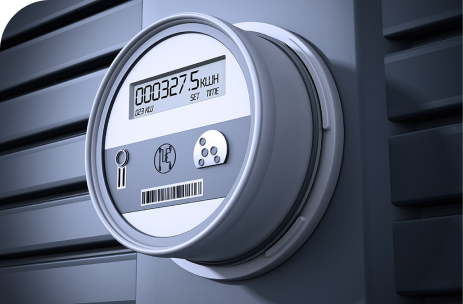
Smart energy systems are digitally connected frameworks that monitor, analyse, and control how energy is generated, distributed, and consumed. Unlike traditional energy infrastructure, these systems rely on real-time data, automation, and connected devices.
At their core, smart energy systems use:
- Smart meters and sensors
- Energy management platforms
- Cellular IoT connectivity
- Cloud and edge computing
- Automated control mechanisms
In Nigeria, smart energy systems are used to:
- Monitor diesel and solar hybrid power systems
- Track energy usage in commercial buildings
- Manage distributed energy resources like solar and batteries
- Enable predictive maintenance for generators and transformers
Without reliable connectivity, smart energy systems fail. Devices deployed across cities and remote locations must remain online continuously. This is why multi-carrier connectivity using roaming SIMs is increasingly preferred for IoT projects in Nigeria.
2. Energy Systems for a Sustainable Future
Sustainability is a growing priority for Nigerian businesses, driven by rising fuel costs, ESG reporting requirements, and regulatory attention from bodies like the Nigerian Communications Commission (NCC) and energy regulators.
Smart energy systems support sustainability by:
- Reducing energy waste
- Improving solar and battery utilisation
- Enabling load balancing and demand response
- Supporting carbon footprint reporting
For example, a commercial building in Lagos using smart energy management can reduce diesel generator runtime by up to 30–40%, translating to millions of naira saved annually. According to industry estimates, IoT-enabled energy optimisation can reduce operational energy costs by 15–25% across African markets.
Connectivity remains crucial. Smart energy systems often span:
- Urban areas with network congestion
- Semi-urban regions with coverage gaps
- Remote infrastructure sites
Universal SIMs ensure devices automatically switch between networks, maintaining uptime regardless of local network instability—a common challenge in African telecommunications.
3. Control Systems for Sustainable Buildings
Smart energy control systems focus specifically on buildings—commercial, industrial, and institutional. These systems integrate lighting, HVAC, power distribution, and backup energy into a single intelligent platform.
Key components include:
- Smart meters
- IoT-enabled circuit breakers
- Environmental sensors
- Central energy management software
In Nigeria, banks, telecom operators, and manufacturing facilities increasingly deploy these systems to manage:
- Branch networks
- Data centres
- Office complexes
Lagos IoT deployment projects often rely on cellular IoT Nigeria solutions rather than fixed broadband due to reliability concerns. With multinetwork SIMs, devices remain connected even during outages or network degradation.
4. Smart Energy Systems Examples in Nigeria and Africa
Smart energy systems are already being deployed across Nigeria and Africa in practical, revenue-generating ways.
Examples include:
- Banking: FCMB and Wema Bank-style deployments using remote monitoring solutions for ATM power systems
- Agriculture: Solar-powered irrigation systems with IoT connectivity for energy optimisation
- Telecommunications: Tower energy management systems reducing diesel theft and downtime
- Manufacturing: Real-time monitoring of energy-intensive machinery
Across Africa, the cellular IoT market is growing at over 20% annually, driven largely by energy, utilities, and infrastructure projects. Nigeria leads West Africa in IoT adoption due to its large enterprise base and improving regulatory clarity.
These deployments succeed because of device connectivity management platforms that allow businesses to monitor thousands of SIM-connected devices from a single dashboard.
5. Smart Energy Management: Technology Behind It (H2)
Smart energy management relies on a combination of hardware, software, and connectivity technologies.
Key technologies include:
- IoT sensors and controllers
- Edge computing for real-time decisions
- Cloud analytics platforms
- SIM management platforms
- Multi-carrier cellular connectivity
In Africa, M2M connectivity must overcome:
- Inconsistent network coverage
- High latency in remote areas
- Cost sensitivity
Roaming SIMs and universal SIMs allow devices to operate across multiple networks without manual intervention. This ensures African network coverage continuity, especially for critical energy infrastructure.
For Nigerian businesses, smart energy management is not just about saving power—it is about maintaining uptime, reducing risk, and improving ROI.
6. What Nigeria Is Doing—and Should Do—Next
Nigeria has made progress through:
- Increased solar adoption
- Private-sector IoT innovation
- Regulatory engagement via NCC
However, to fully scale smart energy systems, Nigeria must:
- Encourage standardised IoT connectivity frameworks
- Support multi-network IoT deployments
- Improve rural cellular infrastructure
- Promote public-private partnerships
Government-backed smart grid pilots, combined with private-sector expertise, can accelerate adoption. Businesses that invest early gain competitive advantages in cost control and sustainability.
Conclusion: Building Nigeria’s Smart Energy Future
Smart energy systems are reshaping how Nigerian businesses generate, manage, and consume power. From sustainable buildings to nationwide energy infrastructure, success depends on reliable IoT connectivity, resilient roaming SIMs, and intelligent energy management platforms.
As energy challenges grow, so does the need for connectivity solutions designed specifically for African environments. Genyz brings deep local expertise, proven partnerships, and robust universal SIM solutions that keep smart energy systems connected—anywhere, anytime.