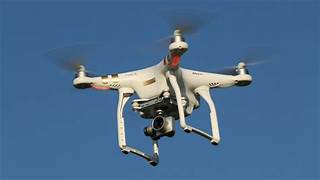
Asset tracking Nigeria is becoming increasingly important as businesses face rising cases of equipment theft, loss, and operational inefficiencies. From missing generators on construction sites to misplaced tools in logistics operations, the cost goes far beyond replacement it affects productivity, timelines, and revenue.
Many Nigerian businesses still rely on manual tracking or basic inventory systems, which provide little to no real-time visibility. This creates a situation similar to “asset invisibility,” where companies cannot track where their equipment is, who is using it, or when it was last seen.
With advancements in IoT connectivity, roaming SIMs, and multinetwork SIM technologies, businesses can now monitor assets in real time across multiple locations even in areas with poor network coverage. This article explores how asset tracking works, why it matters in Nigeria, and how companies can implement it effectively.
1. The Growing Problem of Equipment Theft in Nigeria
Equipment theft is a major issue across industries in Nigeria, particularly in construction, logistics, and agriculture.
Common challenges include:
- Theft of generators, fuel, and small tools
- Poor record-keeping across multiple sites
- Lack of accountability among field teams
- Difficulty tracking assets across states
Smaller equipment—like tools, sensors, and portable machines—often accounts for the highest losses because they are easier to move and harder to monitor.
Beyond theft, businesses also face:
- Time wasted searching for equipment
- Project delays due to missing assets
- Emergency rental costs
Without proper tracking, companies may spend hours weekly searching for tools or verifying asset locations. This inefficiency directly impacts operational costs and performance.
2. What Is Asset Tracking and How Does It Work?
Asset tracking uses IoT-enabled devices to monitor the location, movement, and status of equipment in real time.
A typical system includes:
- GPS or Bluetooth tracking devices
- IoT sensors attached to equipment
- Cloud-based dashboards
- SIM management platforms
With universal SIM and multi-carrier connectivity, these devices can transmit data reliably across Nigeria’s diverse network environment.
For example:
- A logistics company can track delivery equipment across multiple states
- A bank can monitor generator usage across branches
- A construction firm can track machinery between sites
This transforms asset management from reactive to proactive.
3. The Role of IoT Connectivity in Asset Tracking
Reliable IoT connectivity is the backbone of any asset tracking system.
In Nigeria, network challenges such as:
- Inconsistent coverage
- Network downtime
- Rural connectivity gaps
make multinetwork SIM and roaming SIMs essential.
Why Multinetwork SIM Matters
- Automatically switches between available networks
- Ensures continuous tracking even in remote areas
- Reduces data loss and downtime
SIM Management Platform Benefits
- Centralized control of all tracking devices
- Real-time monitoring and alerts
- Data usage optimization
For cellular IoT Nigeria deployments, this ensures that businesses maintain visibility over their assets regardless of location.
4. How Asset Tracking Reduces Theft and Loss
Asset tracking systems significantly reduce theft and improve recovery rates.
Real-Time Location Tracking
Businesses can:
- See exactly where assets are
- Detect unauthorized movement
- Receive instant alerts
Improved Recovery
Tracked assets are easier to recover because:
- There is a digital trail
- Law enforcement can verify ownership
- Location data is precise
Accountability
Employees are more accountable when:
- Asset usage is monitored
- Movement is recorded
- Responsibility is assigned
Operational Efficiency
Companies reduce:
- Time spent searching for equipment
- Project delays
- Idle workforce hours
This mirrors global findings where companies using tracking systems report significantly lower operational losses.
5. Asset Tracking Use Cases in Nigeria
Asset tracking is already being adopted across several industries:
Banking (FCMB, Wema Bank)
Banks use tracking to:
- Monitor generators and power systems
- Ensure ATM uptime
- Manage branch infrastructure
Logistics & Transport
Companies track:
- Fleet equipment
- Delivery tools
- Cold chain assets
Construction
Firms monitor:
- Heavy machinery
- Tools across multiple sites
- Equipment usage
Agriculture
Farmers track:
- Irrigation systems
- Solar-powered equipment
- Storage units
These are real-world IoT projects in Nigeria improving efficiency and reducing losses.
6. Business Benefits and ROI of Asset Tracking
Asset tracking provides measurable returns for Nigerian businesses.
Cost Savings
- Reduced theft and replacement costs
- Lower rental expenses
- Optimized asset utilization
Time Efficiency
- Less time spent searching for equipment
- Faster decision-making
- Improved workflow
Scalability
With universal SIM, businesses can:
- Expand operations across regions
- Maintain consistent tracking
- Avoid network limitations
Insurance Advantages
Some businesses may benefit from:
- Lower insurance premiums
- Faster claims processing
In many cases, companies recover their investment in tracking systems within 12–18 months.
7. How to Choose the Right Asset Tracking Solution
Selecting the right solution is critical for success.
Key Factors to Consider
- Network reliability (multi-carrier connectivity)
- Device durability
- Battery life
- SIM management platform capabilities
Questions to Ask
- Does it work across all Nigerian networks?
- Can it scale across multiple locations?
- Does it provide real-time alerts?
Regulatory Considerations
Ensure compliance with:
- Nigerian Communications Commission (NCC) guidelines
- Data protection standards
Choosing a provider with strong African network coverage and local expertise is essential.
Conclusion
Asset tracking Nigeria is no longer optional—it is a necessity for businesses looking to reduce theft, improve efficiency, and scale operations. With the right combination of IoT connectivity, roaming SIMs, and multinetwork SIM solutions, companies can gain full visibility over their assets and eliminate costly inefficiencies.
Looking to secure your assets and improve operational efficiency?
Genyz offers reliable IoT connectivity, universal SIM, and multinetwork SIM solutions designed for Nigerian businesses. Whether you’re in logistics, banking, or construction, Genyz ensures your assets stay visible, connected, and protected.
👉 Contact Genyz today to start your asset tracking journey.