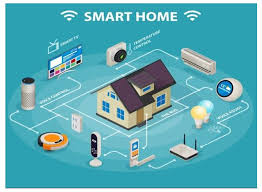
Nigerian homeowners in Lagos, Abuja, and Port Harcourt are discovering a transformative reality. Consequently, the smart home market is experiencing remarkable growth, projected to reach $1,610.8 million by 2030. However, implementing reliable home automation requires more than purchasing smart devices. Instead, it demands robust IoT connectivity infrastructure that functions consistently across Nigeria’s challenging telecommunications environment.
Smart homes represent the convergence of comfort, security, and efficiency through interconnected devices. From automated lighting and climate control to advanced security systems and intelligent appliances, these technologies promise enhanced living experiences. Nevertheless, their effectiveness depends entirely on reliable connectivity. When smart devices lose internet connections, they revert to “dumb” appliances, undermining the entire investment in automation.
This comprehensive guide explores smart home technology, implementation strategies, and critical connectivity requirements for Nigerian households. You’ll discover what smart homes offer, their advantages for families and elderly care, practical security considerations, and why universal SIM solutions prove essential for reliable IoT connectivity. Additionally, we’ll examine the devices powering home automation and strategies for overcoming Nigeria’s infrastructure challenges through multinetwork connectivity approaches.
1. Understanding Smart Homes: The Technology Transforming Nigerian Living
What Are Smart Homes?
Smart homes integrate internet-connected devices that automate, monitor, and control various household functions. These systems enable homeowners to manage lighting, temperature, security, entertainment, and appliances remotely through smartphones, tablets, or voice commands. For Nigerian families, smart homes offer practical solutions to everyday challenges while providing convenience and peace of mind.
The fundamental concept involves devices communicating through home networks and internet connections. A smart thermostat learns household temperature preferences and adjusts automatically. Security cameras stream live footage to mobile phones when motion is detected. Smart locks grant access remotely to trusted individuals. Meanwhile, automated lighting systems adjust based on time of day or occupancy.
For Nigerian homeowners, smart home technology addresses specific local challenges. Power management systems optimize generator usage and solar installations. Security features provide enhanced protection in environments where safety concerns remain significant. Additionally, remote monitoring capabilities offer peace of mind when traveling or working away from home.
The Aims and Importance of Home Automation
The primary aim of smart home technology is improving quality of life through convenience, efficiency, and security. Automation eliminates repetitive tasks—lights turn on automatically at sunset, climate systems maintain comfortable temperatures without manual adjustment, and appliances operate on optimized schedules. Consequently, homeowners save time and mental energy previously spent on routine management.
Energy efficiency represents another critical objective. Nigeria’s frequent power cuts and high electricity costs make energy management particularly important. Smart systems monitor consumption patterns, identify wasteful practices, and optimize usage automatically. For households using generators or solar power, intelligent management systems maximize efficiency and extend equipment lifespans.
Security and safety goals drive significant smart home adoption across Nigeria. Remote monitoring enables homeowners to verify their properties remain secure. Automated alerts notify families of unusual activities, potential break-ins, or environmental hazards like gas leaks or water flooding. For Nigerian urban centers where security concerns influence daily life, these capabilities provide substantial value.
How Smart Home Systems Work
Smart home systems operate through interconnected layers of devices, networks, and control platforms. At the foundation, individual smart devices contain sensors, processors, and communication modules. These devices connect to home networks via Wi-Fi, Bluetooth, Zigbee, or other wireless protocols. Central control hubs coordinate communication between devices, enabling automation rules and remote access.
Internet connectivity proves essential for remote access and cloud-based features. When homeowners leave their properties, they access smart home systems through mobile applications connecting via cellular networks. Commands travel from smartphones through the internet to home networks, triggering device responses. Similarly, devices send status updates, alerts, and sensor data to cloud platforms for homeowner review.
For Nigerian smart homes, connectivity reliability determines system effectiveness. If internet connections fail frequently—due to network coverage gaps or provider issues—smart features become unavailable. Therefore, implementing robust IoT connectivity through universal SIM solutions ensures consistent operation regardless of individual carrier performance or coverage limitations.
2. Advantages of Smart Homes for Nigerian Families
Creating Comfortable and Cozy Living Environments
Smart homes dramatically enhance comfort through personalized environmental control. Intelligent climate systems maintain ideal temperatures by learning household preferences and adjusting automatically. In Lagos’ humid conditions or Abuja’s warmer seasons, smart thermostats optimize air conditioning efficiency while maintaining comfort. Consequently, families enjoy consistent indoor environments without constant manual adjustment.
Lighting automation creates ambiance and convenience throughout homes. Smart bulbs adjust color temperature and brightness based on time of day—energizing cool white light in mornings, neutral tones during day, and warm relaxing light in evenings. Moreover, automated schedules ensure appropriate lighting without switches. Motion sensors illuminate pathways automatically, providing safety and convenience during nighttime movements.
Entertainment integration enhances relaxation and family time. Smart speakers stream music throughout homes, smart TVs access endless content libraries, and automation systems create theater-like experiences with coordinated lighting and audio. For Nigerian families, these features transform homes into personalized sanctuaries offering escape from external stresses.
Supporting Elderly Care and Independence
Smart home technology enables elderly Nigerians to maintain independence while ensuring safety. Remote monitoring allows family members to check on aging parents without intrusive constant visits. Video doorbells show who approaches the door before opening. Smart locks eliminate key management issues that challenge seniors. Motion sensors track movement patterns, alerting caregivers to unusual inactivity that might indicate health issues.
Voice-controlled systems prove particularly valuable for elderly individuals with mobility limitations. Instead of walking to wall switches or thermostats, seniors issue voice commands to adjust lighting, temperature, or entertainment systems. This capability maintains dignity and independence while reducing fall risks associated with unnecessary movement.
Medical monitoring integrations enhance elder care significantly. Smart pill dispensers remind seniors about medications and alert family members when doses are missed. Wearable devices track vital signs and detect falls, automatically contacting emergency contacts. For Nigerian families often balancing work obligations with elder care responsibilities, these technologies provide peace of mind and enable aging in place.
Enhancing Child Safety and Development
Nigerian parents leverage smart home technology to enhance children’s safety and development. Security cameras monitor play areas, enabling parents to supervise children while managing other household tasks. Smart door and window sensors alert parents when children access restricted areas or leave home unexpectedly. These features provide safety without helicopter parenting.
Parental controls on smart entertainment systems manage content access and screen time. Parents establish age-appropriate content restrictions and time limits remotely. When limits are reached, devices automatically disable, helping families maintain healthy technology balance. This automated enforcement eliminates constant negotiations over screen time.
Educational integration supports children’s learning. Smart speakers answer questions, help with homework, and provide interactive educational content. Automation systems establish study-friendly environments—enabling “homework mode” that adjusts lighting for concentration and limits entertainment device access. For Nigerian families valuing education, smart homes become tools supporting academic success.
Smart Kitchen Benefits
Kitchen automation transforms meal preparation and food management for Nigerian households. Smart refrigerators inventory contents, suggest recipes based on available ingredients, and alert families when items approach expiration. This capability reduces food waste—a significant consideration given grocery costs and food preservation challenges in Nigerian climates.
Automated cooking appliances enable precise meal preparation. Smart ovens adjust cooking times and temperatures based on food type, ensuring consistent results. Rice cookers with Wi-Fi connectivity allow remote operation—busy professionals start dinner preparation while commuting home. Coffee makers brew morning beverages automatically based on wake-up routines.
Energy optimization in kitchens proves particularly valuable for Nigerian households managing electricity costs. Smart appliances operate during off-peak hours when power costs less or when solar systems generate excess capacity. Automated scheduling prevents multiple high-energy appliances from operating simultaneously, reducing load and preventing generator overload.
Comprehensive Home Security Solutions
Security remains a primary driver of smart home adoption across Nigeria. Security systems have emerged as the primary gateway to smart home adoption, with smart cameras, biometric locks, and motion sensors finding ready acceptance. Integrated security solutions provide multiple protection layers—perimeter monitoring, entry detection, internal surveillance, and automated alerts.
Smart cameras offer continuous monitoring with motion-activated recording. High-definition footage streams to smartphones, enabling real-time surveillance from anywhere. Night vision capabilities ensure 24/7 protection. Cloud storage preserves evidence even if local devices are damaged or stolen. For Nigerian properties where security concerns remain significant, these features provide substantial peace of mind.
Intelligent access control eliminates traditional key vulnerabilities. Smart locks grant access through codes, smartphone commands, or biometric authentication. Temporary codes provide contractor or guest access without permanent key distribution. Automated logging tracks all entry and exit events, creating security audit trails. When combined with video verification, smart locks dramatically enhance property security.
3. Smart Home Challenges: Understanding the Drawbacks
Security and Privacy Risks
While smart homes enhance physical security, they introduce digital security vulnerabilities. Every connected device represents a potential entry point for cyber attacks. Hackers targeting poorly secured smart cameras can invade privacy by accessing video feeds. Compromised smart locks might grant unauthorized physical access. For Nigerian households, understanding and mitigating these digital risks proves essential.
The challenge intensifies because many smart device manufacturers prioritize features over security. Devices ship with default passwords rarely changed by users. Firmware updates addressing security vulnerabilities require manual installation that homeowners often skip. Insecure communication protocols transmit data without encryption, enabling interception. Consequently, smart homes require ongoing security vigilance beyond initial installation.
Privacy concerns extend to data collection practices. Smart devices continuously gather information about household activities, preferences, and schedules. This data may be stored in cloud platforms controlled by manufacturers or third parties. The potential for data breaches, unauthorized sharing, or government access raises legitimate privacy questions. Nigerian families must evaluate these tradeoffs when adopting smart technologies.
Hacking and Cyber Attack Vulnerabilities
Smart home hacking attempts occur with increasing frequency globally. Attackers exploit weak passwords, unpatched vulnerabilities, or insecure network configurations to gain device control. Once inside home networks, hackers can access security cameras, manipulate climate systems, or disable security features. More sophisticated attacks might use compromised smart devices as launching points for broader network intrusion.
For Nigerian smart homes, these risks combine with local cybersecurity challenges. Limited cybersecurity awareness among general populations increases vulnerability. Internet service providers may offer insufficient security guidance during installation. Moreover, counterfeit or budget smart devices popular in Nigerian markets often lack basic security features present in premium alternatives.
Mitigation requires multilayered approaches. Strong unique passwords for every device and account prevent credential-based attacks. Regular firmware updates patch known vulnerabilities. Network segmentation isolates smart devices from computers containing sensitive data. For Nigerian households serious about security, professional installation and configuration by knowledgeable providers proves worthwhile.
Over-Reliance on Technology
Smart home automation can create problematic technology dependence. When systems function perfectly, residents forget manual operation methods. If power outages, internet failures, or device malfunctions occur, families may struggle with basic household management. This vulnerability proves particularly concerning in Nigeria where infrastructure reliability varies.
The challenge extends to emergency scenarios. During electrical failures, battery-powered smart locks might fail, potentially trapping residents or preventing access. Security systems losing power may miss critical alerts. For Nigerian households experiencing frequent power interruptions, backup systems and manual override capabilities become essential rather than optional.
Generational divides complicate technology reliance. While younger family members adapt easily to smart controls, elderly parents or grandparents may struggle with smartphone applications or voice commands. If primary technology-savvy household members travel, other residents may find themselves unable to operate home systems effectively. Therefore, maintaining traditional manual controls alongside smart automation provides important redundancy.
Cost Considerations for Nigerian Households
Smart home technology represents significant upfront investment. Quality devices from reputable manufacturers command premium prices, often priced in foreign currencies and subject to import duties. Installation costs add further expenses, particularly for comprehensive whole-home automation. For Nigerian middle-class families, these costs must be weighed carefully against benefits.
Ongoing costs extend beyond initial purchases. Many smart features require subscription services—cloud storage for security footage, premium automation platform features, or extended device warranties. These recurring expenses, often denominated in dollars or euros, accumulate significantly over time. For Nigerian households managing Naira-based budgets, currency fluctuations increase financial uncertainty.
However, the smart home market is experiencing accessibility improvements, with local companies offering more affordable alternatives and solutions tailored to Nigerian conditions. Phased implementations—starting with priority areas like security then expanding gradually—make smart home adoption financially feasible for broader populations.
4. Smart Home Devices and IoT Connectivity Requirements
Devices Enabling Home Automation
Smart home ecosystems comprise diverse device categories, each requiring internet connectivity for full functionality. Smart speakers and displays serve as control hubs, processing voice commands and coordinating automation routines. These devices connect via Wi-Fi and require continuous internet access for voice recognition processing and command execution.
Security devices form extensive IoT networks. Smart cameras stream video continuously or capture motion-activated clips. Smart doorbells combine cameras with two-way audio communication. Motion sensors detect movement across properties. Door and window sensors monitor entry points. Each device maintains constant connectivity, transmitting data to cloud platforms and mobile applications.
Climate control systems integrate multiple connected components. Smart thermostats monitor temperature and humidity while controlling HVAC equipment. Smart fans adjust speed based on room conditions. Automated window treatments open and close responding to sunlight and temperature. These devices coordinate through home networks, optimizing comfort and energy efficiency automatically.
Smart lighting systems include connected bulbs, switches, and controllers. Bulbs communicate wirelessly with hubs or directly with home networks. Smart switches replace traditional controls while maintaining normal functionality during connectivity loss. Outdoor lighting integrates with security systems, automatically illuminating when motion is detected or schedules activate.
Kitchen and laundry appliances increasingly incorporate connectivity. Smart refrigerators, ovens, dishwashers, washing machines, and dryers accept remote commands, send status notifications, and optimize operation schedules. While these appliances function without connectivity, smart features require internet access for remote control and monitoring.
Understanding IoT Device Connectivity
IoT devices employ various communication protocols based on their requirements. Wi-Fi provides high-bandwidth connectivity suitable for video streaming and frequent data transmission. However, Wi-Fi consumes significant power, limiting battery-operated device viability. Most smart cameras, speakers, and appliances use Wi-Fi for reliable home network integration.
Bluetooth offers low-power alternatives for short-range communication. Smart locks, sensors, and wearables often use Bluetooth connectivity, connecting to smartphones or local hubs rather than directly accessing internet. Bluetooth Low Energy (BLE) extends battery life while maintaining functional communication ranges.
Zigbee and Z-Wave protocols specialize in smart home applications, offering mesh networking capabilities. Devices create interconnected networks, extending range and improving reliability. These protocols consume minimal power, enabling years of battery operation for sensors. However, they require dedicated hubs translating between protocols and home internet networks.
For comprehensive Nigerian smart homes, multiple protocol support ensures compatibility across device ecosystems. Central hubs coordinate communications, bridging different protocols and providing unified control interfaces. Internet connectivity ultimately enables remote access, cloud processing, and mobile application integration regardless of local device protocols.
The Critical Role of Cellular IoT Connectivity
While home Wi-Fi networks handle most smart device communication, cellular IoT connectivity proves essential for several critical applications. Security systems require backup connectivity when primary internet fails. If power outages disable routers, cellular-connected cameras and alarm systems maintain operation. For Nigerian households where power reliability varies, this redundancy significantly enhances security effectiveness.
Vacation homes and properties without broadband infrastructure depend entirely on cellular connectivity. Smart security systems, environmental monitors, and automated controls access internet through cellular networks. Rural properties across Nigeria often lack fiber or DSL options, making cellular IoT the only viable connectivity solution for smart home implementation.
Mobile connectivity also supports temporary monitoring situations—construction sites, event venues, or temporary residences. Cellular-connected cameras and sensors deploy quickly without infrastructure installation. Once events conclude, devices redeploy elsewhere without abandoning connectivity investments.
Why Universal SIM Solutions Matter
Traditional cellular connectivity using single-carrier SIM cards creates vulnerabilities for Nigerian smart homes. If MTN coverage is weak at your property, devices with MTN SIMs experience connectivity failures. Switching carriers requires physical SIM replacement across all devices—a tedious process for comprehensive smart home systems.
Universal SIM solutions from providers like Genyz Solutions solve this problem elegantly. These multinetwork SIM cards automatically select the strongest available carrier—MTN, Airtel, Glo, or 9mobile—without manual intervention. When one network experiences outages or congestion, devices seamlessly switch to alternatives, maintaining uninterrupted operation.
For Nigerian smart homes depending on reliable security monitoring and automation, universal SIM technology transforms cellular IoT from backup option to primary connectivity solution. Devices maintain consistent operation regardless of individual carrier performance. Moreover, SIM management platforms enable remote monitoring and configuration across entire device fleets—essential for properties with numerous cellular-connected sensors and cameras.
The economic advantages prove equally compelling. Universal SIM solutions often provide better rates than managing multiple single-carrier subscriptions. Transparent pricing in Naira eliminates currency risk from international roaming charges. For Nigerian homeowners implementing comprehensive smart security systems, reliable multinetwork connectivity delivered through managed IoT solutions represents sound investment in property protection and peace of mind.
5. Implementing Smart Homes in Nigeria: Practical Strategies
Assessing Your Home Automation Needs
Nigerian homeowners should begin smart home journeys by identifying specific goals and priorities. Security-focused implementations emphasize cameras, smart locks, and alarm systems. Comfort-oriented approaches prioritize climate control, lighting automation, and entertainment integration. Energy management implementations focus on consumption monitoring and optimization systems.
Consider household composition when planning automation. Homes with elderly residents benefit from voice controls and remote monitoring. Families with children prioritize safety features and parental controls. Busy professionals value remote access and automated routines reducing daily management burdens. Understanding specific needs prevents overspending on unnecessary features.
Budget considerations shape implementation strategies. Comprehensive whole-home automation requires substantial investment better distributed over time. Phased approaches start with highest-priority areas—typically security—then expand gradually as budgets allow. This methodology provides immediate value while building toward complete automation.
Infrastructure assessment proves essential. Evaluate existing internet reliability, Wi-Fi coverage throughout properties, and electrical capacity for additional devices. Nigerian properties may require infrastructure upgrades before smart device installation. Power backup systems ensure automation continues during frequent electrical interruptions.
Choosing Reliable IoT Connectivity Solutions
Connectivity reliability determines smart home effectiveness. For Nigerian implementations, evaluating internet service provider options and performance history helps identify dependable solutions. Urban areas like Lagos offer multiple broadband providers with varying coverage and reliability. Rural properties may depend on cellular connectivity as primary internet access.
Backup connectivity planning proves particularly important in Nigerian contexts. Cellular IoT backup ensures security systems and critical monitoring continue during primary internet failures. Universal SIM solutions provide optimal backup reliability by automatically selecting strongest available networks rather than depending on single carriers.
For properties requiring cellular connectivity—vacation homes, rural locations, or backup systems—partnering with specialized IoT connectivity providers delivers superior results compared to DIY approaches. Providers like Genyz Solutions offer multinetwork roaming SIMs, centralized device management platforms, and technical support specifically designed for Nigerian telecommunications environments.
Evaluate connectivity providers on coverage maps, service level agreements, and local support capabilities. Providers with Nigerian presence understand infrastructure challenges and respond appropriately to support needs. International providers managing Nigerian operations remotely may offer inadequate support when connectivity issues arise.
Security Best Practices for Nigerian Smart Homes
Implementing robust security measures protects smart homes from cyber threats. Start by changing all default passwords to strong unique alternatives. Password managers help maintain different credentials across numerous devices without memory burden. Enable two-factor authentication wherever supported, adding security layers beyond passwords alone.
Network security provides fundamental protection. Separate smart devices onto dedicated networks isolated from computers containing sensitive data. If attackers compromise smart devices, network segmentation prevents access to personal information, financial data, or work documents. Many modern routers support guest network features serving this purpose.
Keep devices updated with latest firmware versions. Manufacturers regularly release security patches addressing discovered vulnerabilities. Enable automatic updates when available, ensuring devices remain protected without manual intervention. For devices requiring manual updates, establish regular review schedules ensuring patches install promptly.
Select reputable manufacturers with demonstrated security commitments. Budget devices from unknown brands often lack basic security features and may never receive updates addressing vulnerabilities. Premium manufacturers typically provide longer support periods and faster security responses. For critical security devices like cameras and locks, investing in quality proves prudent.
Regulatory Compliance and Local Considerations
The Nigerian Communications Commission (NCC) establishes requirements for devices operating on telecommunications networks. Smart devices using cellular connectivity must comply with type approval, registration, and security standards. Partnering with established IoT connectivity providers ensures compliance through their existing regulatory relationships and expertise.
Data sovereignty considerations affect cloud storage choices for security footage and household data. Evaluate where device manufacturers store information and what access governments or third parties might obtain. For sensitive applications, local storage options provide greater control despite sacrificing cloud convenience.
Installation standards and electrical codes ensure safety. Professional installation by qualified technicians prevents fire hazards, electrical issues, or improper device configuration. While DIY installation saves money initially, professional expertise prevents costly mistakes and ensures proper operation.
Consider insurance implications when implementing comprehensive smart home security. Some Nigerian insurance providers offer premium reductions for properties with documented security systems. Conversely, improperly installed systems might affect coverage. Consulting insurance providers before major installations clarifies implications and potential benefits.
6. The Future of Smart Homes in Nigerian Markets
Market Growth and Accessibility Trends
Nigeria’s smart home market is expected to reach $6,570.5 million by 2030 with a compound annual growth rate of 29.5%. This explosive growth reflects increasing affordability, improving infrastructure, and rising consumer awareness. Consequently, technologies once limited to luxury properties are becoming accessible to middle-class Nigerian families.
Local companies entering the market drive affordability improvements. Nigerian providers understand local conditions—power fluctuations, connectivity challenges, and budget constraints—better than international manufacturers. They offer solutions tailored to African realities rather than assuming Western infrastructure reliability. This localization makes smart homes practical for broader populations.
Device prices continue declining as manufacturing scales and competition intensifies. Components that cost thousands of Naira several years ago now sell for hundreds. This democratization enables phased implementations where families gradually build automation ecosystems within manageable budgets rather than requiring major upfront investments.
Integration with Renewable Energy
Nigeria’s growing solar adoption creates natural synergy with smart home technology. Smart energy management systems optimize solar power utilization, battery storage, and grid supplementation automatically. They track generation patterns, predict consumption needs, and adjust appliance operation maximizing renewable energy use.
For Nigerian households managing expensive and unreliable grid power, this integration delivers substantial value. Smart systems shift energy-intensive activities to peak solar generation periods. They charge batteries during surplus generation for evening use. They automatically activate generators only when necessary, minimizing fuel costs and equipment wear.
Future developments will tighten energy-home automation integration. Artificial intelligence algorithms will learn household patterns, weather influences, and seasonal variations to optimize energy management continuously. For Nigerian families investing in solar systems, smart home integration maximizes return on investment while supporting environmental sustainability.
Artificial Intelligence and Predictive Automation
AI integration transforms smart homes from reactive systems responding to commands into proactive systems anticipating needs. Machine learning algorithms analyze household patterns—when residents wake, leave, return, sleep—automatically adjusting automation without explicit programming. Climate systems prepare comfortable environments before residents arrive. Lighting adjusts naturally throughout days based on learned preferences.
Predictive maintenance capabilities prevent equipment failures. Smart systems monitor appliance performance, detecting degradation patterns indicating approaching failures. Homeowners receive maintenance alerts before breakdowns occur, preventing costly emergency repairs. For Nigerian households where repair services may require days to arrange, predictive maintenance significantly reduces disruption.
Voice assistants and conversational interfaces improve continuously. Future systems will understand context, handle complex multi-step requests, and provide helpful suggestions based on household needs. For Nigerian families including elderly members or children, increasingly natural interaction methods make technology accessible to all generations.
Expanding IoT Ecosystems in Africa
The Internet of Things continues expanding across African markets. Nigeria’s IoT market is projected to grow by 18.11% annually, reaching $4,387 million by 2029. This growth creates opportunities for comprehensive smart ecosystems extending beyond individual homes to neighborhoods, cities, and regions.
Smart community features will enable neighborhood-level coordination—shared security monitoring, environmental sensors, and infrastructure management. Smart city initiatives will integrate homes with public services—traffic systems, utilities, and emergency services. For Nigerian urban centers managing rapid growth, these integrated systems improve efficiency and quality of life.
Cross-border standardization efforts will improve device compatibility and service consistency across African markets. A smart home system installed in Lagos will function seamlessly if owners relocate to Accra or Nairobi. Regional IoT connectivity providers like Genyz Solutions already support this vision through universal SIM solutions working across multiple African countries.
7. Partnering with Genyz Solutions for Smart Home Connectivity
Why Reliable IoT Connectivity Matters
Smart home effectiveness depends entirely on connectivity reliability. Devices losing internet access become non-functional, undermining automation investments and leaving households vulnerable. Security cameras offline during incidents fail their primary purpose. Smart locks losing connectivity may prevent legitimate access while potentially allowing unauthorized entry. Therefore, connectivity represents smart home infrastructure—not optional enhancement.
Nigerian telecommunications environments present unique reliability challenges. Single-carrier solutions expose homeowners to coverage gaps, network congestion, and service interruptions. DIY connectivity management burdens homeowners with troubleshooting responsibilities during failures. For families seeking peace of mind through smart security, these vulnerabilities prove unacceptable.
Professional IoT connectivity solutions transform reliability from uncertainty to confidence. Universal SIM technology ensures devices maintain connections by automatically selecting strongest networks. Managed services provide expert support resolving issues quickly. Centralized platforms enable remote monitoring detecting and addressing problems proactively. For Nigerian smart homes, these capabilities separate effective automation from expensive disappointments.
Genyz Solutions’ Nigerian Smart Home Expertise
Genyz Solutions specializes in IoT connectivity specifically designed for African telecommunications challenges. Their universal SIM solutions support all major Nigerian carriers—MTN, Airtel, Glo, and 9mobile—providing seamless multinetwork redundancy. When one carrier experiences outages or weak signals, devices automatically switch to alternatives without homeowner intervention.
Their SIM management platforms enable centralized monitoring and configuration across entire smart home device fleets. Homeowners track connectivity status in real-time, receive alerts when issues arise, and remotely adjust settings optimizing performance. This visibility and control prove invaluable for managing numerous IoT devices across comprehensive automation systems.
Local Nigerian presence ensures responsive support when assistance is needed. Technical teams understand local infrastructure realities and troubleshoot issues within African telecommunications contexts. This expertise enables faster problem resolution than international providers managing Nigerian operations remotely. For smart home security applications where connectivity failures create vulnerabilities, local expert support delivers essential peace of mind.
Transparent Pricing for Nigerian Households
Smart home IoT connectivity costs must remain predictable for household budget planning. Traditional cellular services charge unpredictable roaming fees or per-carrier rates that vary by location and usage. These cost uncertainties complicate financial planning and create bill shock when monthly statements arrive.
Genyz Solutions offers transparent pricing in Naira without hidden international charges. Homeowners know exactly what connectivity costs regardless of which networks devices use. This predictability enables accurate budget planning and prevents financial surprises. For Nigerian families managing multiple devices across comprehensive smart security systems, cost transparency proves essential.
Moreover, IoT-optimized data plans align with smart home usage patterns. Unlike consumer mobile plans designed for video streaming, IoT plans accommodate sensor data transmission, occasional video uploads, and command protocols. This optimization reduces costs significantly compared to standard mobile services while delivering superior performance for home automation applications.
Conclusion: Building Smart Nigerian Homes with Reliable Connectivity
Smart home technology transforms Nigerian living through enhanced security, improved comfort, and operational efficiency. From Lagos apartments to Abuja estates, families are discovering automation benefits—convenient controls, energy optimization, elderly care support, and comprehensive security monitoring. The Nigerian smart home market’s explosive growth reflects increasing accessibility and proven value propositions.
However, smart home effectiveness depends fundamentally on reliable IoT connectivity. Devices losing internet access become expensive paperweights rather than valuable home automation tools. For Nigerian households navigating infrastructure challenges—power interruptions, coverage gaps, network congestion—connectivity reliability separates successful implementations from frustrating disappointments.
Universal SIM solutions with multinetwork capabilities address Nigeria’s connectivity challenges comprehensively. Devices maintain operation by automatically selecting strongest available carriers rather than depending on single networks. Managed services transfer connectivity management to experts, freeing homeowners from technical troubleshooting while delivering superior reliability. For families investing in smart security and automation, these solutions represent sound strategies protecting investments and providing peace of mind.