Nigerian businesses exploring drone technology face a critical question today. How do you ensure reliable communication between drones and control systems across vast territories? The answer lies in understanding drone connectivity requirements and implementing robust IoT solutions. However, in a country where network coverage varies significantly between Lagos, Abuja, and rural areas, traditional single-carrier SIM cards often fail.
Across the nation, drones are revolutionizing industries. From healthcare delivery in remote communities to security surveillance in urban centers, these unmanned aerial vehicles require constant, reliable connectivity. For businesses deploying drone fleets, the challenge isn’t just flying—it’s maintaining uninterrupted communication through multinetwork SIM solutions that adapt to Africa’s diverse telecommunications landscape.
This comprehensive guide explores drone technology, connectivity requirements, and practical solutions for Nigerian operations. You’ll discover how universal SIM cards and roaming SIMs transform drone reliability. Additionally, we’ll examine specific applications in healthcare, security, and logistics. Finally, you’ll learn why IoT connectivity through multi-carrier networks is essential for successful drone projects in Nigeria and across African markets.
1. Understanding Drones: The Future of Nigerian Business Operations
What Are Drones?
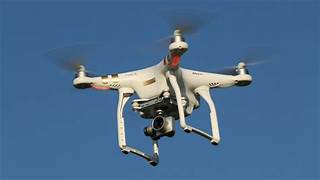
Drones, also known as unmanned aerial vehicles (UAVs), are aircraft that operate without human pilots onboard. Instead, they’re controlled remotely by operators or fly autonomously using pre-programmed flight plans. These versatile machines range from small consumer models to large industrial platforms. For Nigerian businesses, drones represent powerful tools for solving challenges that traditional methods cannot address efficiently.
Modern drones combine several sophisticated systems. First, they include flight control systems managing stability and navigation. Second, they incorporate sensor packages collecting data through cameras, thermal imaging, or specialized equipment. Third, they feature communication modules enabling real-time data transmission. Finally, they contain power systems supporting extended operations. Consequently, understanding these components helps businesses evaluate which drone solutions suit their specific needs.
Core Components and Capabilities
The technology powering drones has evolved dramatically. Flight controllers process inputs from GPS, accelerometers, gyroscopes, and barometers. These maintain stable flight even in challenging conditions. Moreover, advanced drones incorporate obstacle avoidance systems using sensors and cameras. Particularly in complex Nigerian environments, this technology proves invaluable. Urban areas like Lagos present unique challenges with buildings, power lines, and unpredictable weather patterns.
Battery technology limits most commercial drone operations to 20-45 minutes of flight time. However, this constraint drives innovation in efficient flight planning and strategic deployment. For Nigerian businesses, understanding flight time limitations helps optimize operations. Additionally, it highlights why reliable connectivity matters—every minute of flight time must be productive. Therefore, losing connection mid-flight due to network issues wastes valuable operational capacity.
Drone Classifications for Business Use
Drones fall into several categories based on size, capability, and application. Consumer drones offer basic photography and recreational uses. In contrast, commercial drones provide professional-grade sensors and longer flight times. Meanwhile, industrial drones handle heavy payloads and specialized equipment. Military-grade drones offer extended range and advanced capabilities. For Nigerian businesses, commercial and industrial drones deliver the best value. Specifically, they balance capability, cost, and regulatory compliance under Nigerian Communications Commission (NCC) guidelines.
Fixed-wing drones fly like traditional aircraft and cover long distances efficiently. On the other hand, rotary-wing drones (quadcopters, hexacopters) offer vertical takeoff and precise hovering. Furthermore, hybrid designs combine advantages of both types. Each design serves different purposes. For example, agricultural monitoring across large farms benefits from fixed-wing endurance. Meanwhile, urban delivery services require rotary-wing maneuverability. Ultimately, selecting appropriate drone types depends on specific operational requirements and connectivity capabilities.
2. Drone Connectivity: How Control Systems Communicate
Remote Controller Communication Methods
Understanding how drones connect to control systems is crucial for Nigerian businesses planning deployments. Traditional radio frequency (RF) controllers use dedicated frequencies for direct communication. These work well for line-of-sight operations within several kilometers. However, they offer limited range and no internet connectivity. As a result, this restricts operations to areas where pilots maintain visual contact with drones.
Modern drones increasingly incorporate cellular IoT Nigeria technology for extended range operations. In contrast to RF systems, this approach uses mobile networks—the same infrastructure supporting smartphones and M2M connectivity Africa. Furthermore, cellular connectivity enables beyond-visual-line-of-sight (BVLOS) operations. Consequently, operators in Lagos can control drones operating in Abuja or monitor autonomous flights across multiple states. Ultimately, this capability transforms business applications by removing geographic limitations.
The Role of Internet Connectivity
Do drones need internet connectivity? The answer depends on operational requirements. Basic recreational drones operate effectively with direct RF controllers. However, professional applications increasingly require internet connectivity for several reasons. First, real-time video streaming to remote operators demands substantial bandwidth. Second, autonomous flight coordination with air traffic systems requires network access. Third, fleet management across multiple simultaneous operations needs centralized communication.
Importantly, internet connectivity enables cloud-based processing and storage. For instance, agricultural drones collecting crop health data can upload imagery directly to analysis platforms. Similarly, security drones can stream footage to monitoring centers immediately. Meanwhile, logistics drones can receive updated delivery coordinates dynamically. Clearly, these capabilities depend on reliable cellular networks. Therefore, IoT connectivity solutions become essential infrastructure for advanced drone operations.
Multinetwork SIM Advantages for Drones
Here’s where universal SIM solutions revolutionize Nigerian drone operations. Traditional single-carrier SIM cards limit drones to one network’s coverage. If that network has weak signals or outages, drones lose connectivity. As a result, this creates safety risks and operational failures. Imagine a medical delivery drone losing connection while transporting emergency supplies to a rural clinic. Indeed, the consequences could be severe.
Multinetwork SIM cards solve this problem elegantly. These roaming SIMs automatically switch between MTN, Airtel, Glo, and 9mobile networks. Consequently, drones maintain connectivity by selecting the strongest available signal continuously. For operations crossing multiple regions, this redundancy proves invaluable. Consider a drone flying from Lagos to Ibadan that encounters varying network coverage. With universal SIM technology from providers like Genyz Solutions, it seamlessly transitions between carriers without operator intervention.
Real-time Data Transmission Requirements
Drone operations generate substantial data requiring transmission. High-definition video streams consume 5-15 Mbps depending on quality. Similarly, telemetry data (GPS position, battery status, sensor readings) requires consistent low-latency connections. Furthermore, command and control signals must transmit instantly for safe operation. These requirements demand robust IoT connectivity infrastructure.
African telecommunications networks present unique challenges. Network congestion in urban areas affects bandwidth availability. Additionally, rural coverage gaps interrupt connections unpredictably. Moreover, weather conditions impact signal quality. Therefore, drone operations require intelligent connectivity solutions adapting to these conditions. Notably, SIM management platforms enable operators to monitor connection quality, predict coverage issues, and optimize flight paths accordingly. Indeed, this level of control separates successful drone deployments from failed experiments.
3. Drone Applications in Nigerian Healthcare
Medical Supply Delivery to Remote Areas
Healthcare delivery in Nigeria faces significant infrastructure challenges. Many rural communities lack reliable road access, especially during rainy seasons. Traditionally, medical supply chains take days or weeks to reach remote clinics. However, drones equipped with cellular IoT Nigeria connectivity transform this landscape dramatically. In fact, they deliver emergency medications, blood products, vaccines, and medical samples in hours instead of days.
Consider a scenario common across Nigerian states. A rural health center needs emergency blood supplies for a critical patient. Previously, this required hours of difficult travel. Now, a drone launched from a regional hospital can deliver supplies in 30-45 minutes. Throughout the flight, operators monitor progress through M2M connectivity Africa networks. Importantly, the universal SIM ensures connection regardless of which carrier covers the flight path.
Vaccine and Medication Transport
Temperature-sensitive medications and vaccines require careful handling. Drones equipped with refrigerated compartments and IoT sensors monitor conditions continuously. Real-time temperature data transmits through multinetwork SIM connections. If temperatures deviate from safe ranges, operators receive immediate alerts. Clearly, this capability proves essential for maintaining medical supply integrity across challenging African climates.
The COVID-19 pandemic demonstrated drone delivery’s potential. Several African countries, including Rwanda and Ghana, successfully deployed drone networks for vaccine distribution. Similarly, Nigeria has excellent opportunities for this technology. However, success requires reliable device connectivity management across diverse terrain. Fortunately, roaming SIMs enable consistent communication whether drones fly over populated areas with strong coverage or remote regions with limited infrastructure.
Emergency Response Coordination
Medical emergencies benefit from drone-enabled rapid response. Drones equipped with automated external defibrillators (AEDs) can reach cardiac arrest victims faster than ambulances in congested urban areas. Real-time video streaming through cellular networks guides first responders. Additionally, drones survey accident scenes, assess situations, and coordinate emergency services efficiently.
For Nigerian cities like Lagos where traffic congestion hampers emergency response, drone deployment offers measurable improvements. However, these life-saving applications absolutely require reliable IoT connectivity. Indeed, lives depend on uninterrupted communication. Therefore, single-carrier solutions represent unacceptable risks. In contrast, multi-carrier connectivity through universal SIM technology provides the redundancy emergency medical operations demand.
4. Security and Surveillance Applications
Urban Security Monitoring
Nigerian businesses and government agencies increasingly recognize drones’ security value. Urban surveillance drones monitor public spaces, detect suspicious activities, and coordinate rapid responses. Banks like FCMB and Wema Bank explore drone security for protecting facilities and assets. These applications require continuous video streaming to security operations centers.
Security drones patrol predetermined routes or respond to specific incidents. Operators monitor multiple drones simultaneously through centralized platforms. This requires robust business connectivity solutions handling substantial data volumes. Moreover, security applications cannot tolerate connectivity interruptions. A drone losing connection during a critical security incident creates vulnerabilities. Therefore, multinetwork SIM solutions become operational necessities rather than optional enhancements.
Border and Perimeter Surveillance
Nigeria’s extensive borders and large industrial facilities require constant monitoring. Traditional security methods involve expensive personnel deployment and fixed cameras with limited coverage. In contrast, drones offer flexible, cost-effective alternatives. Specifically, they patrol borders detecting illegal crossings, monitor pipeline infrastructure for theft or damage, and secure large agricultural operations against intrusion.
These long-range surveillance operations particularly benefit from cellular IoT connectivity. Drones flying autonomous patterns across vast areas need reliable communication for status updates and incident alerts. Furthermore, remote monitoring solutions enable security teams to respond quickly when drones detect problems. With roaming SIMs from Genyz Solutions, surveillance drones maintain connectivity across entire patrol routes, automatically switching networks to ensure continuous coverage.
Event Security and Crowd Management
Large gatherings, festivals, and public events present security challenges. Drones provide aerial perspectives helping security teams manage crowds, identify potential problems, and coordinate responses. Real-time video feeds through M2M connectivity Africa networks enable informed decision-making. As a result, event organizers gain comprehensive situational awareness impossible with ground-based cameras alone.
Nigerian events ranging from Lagos concerts to Abuja political gatherings benefit from drone security. However, these high-stakes environments demand absolute connectivity reliability. Unfortunately, lost connections could miss critical incidents. Therefore, investing in universal SIM solutions for security drones represents prudent risk management. Notably, the cost of robust IoT connectivity proves minimal compared to security breach consequences.
5. Delivery and Logistics Revolution
Last-Mile Delivery Solutions
Nigeria’s e-commerce sector grows rapidly, but last-mile delivery remains challenging. Traffic congestion, inadequate addressing systems, and infrastructure limitations increase delivery costs and times. Fortunately, drones offer innovative solutions for certain delivery scenarios. In particular, small packages, urgent deliveries, and remote location shipments become economically viable through drone logistics.
Several Nigerian startups explore drone delivery for restaurants, pharmacies, and e-commerce platforms. These operations require sophisticated coordination between ordering systems, drone fleets, and customers. Moreover, IoT connectivity enables real-time tracking, dynamic route optimization, and delivery confirmation. Customers monitor approaching drones through mobile apps. Meanwhile, businesses optimize fleet utilization through data analytics. Clearly, all these capabilities depend on reliable cellular networks.
Supply Chain Monitoring and Optimization
Beyond direct delivery, drones enhance supply chain visibility. Warehouses use drones for inventory management, reducing manual counting time from days to hours. Similarly, logistics companies deploy drones to monitor shipment conditions during transport. Meanwhile, agricultural businesses track produce movement from farms to markets. These applications generate valuable data for optimizing operations.
For Nigerian businesses competing in regional African markets, supply chain efficiency determines profitability. Drone-enabled monitoring provides competitive advantages through reduced costs and improved reliability. However, these benefits require connectivity infrastructure supporting continuous data transmission. Furthermore, device connectivity management platforms integrate drone data with existing business systems. Importantly, multi-carrier connectivity ensures data flows consistently regardless of location or network conditions.
Autonomous Delivery Networks
The future of Nigerian logistics includes autonomous drone networks operating without direct pilot control. These systems coordinate multiple drones simultaneously, optimizing routes based on traffic, weather, and delivery priorities. Consequently, autonomous operations require sophisticated communication infrastructure. Specifically, drones must transmit telemetry, receive flight instructions, and coordinate with air traffic systems continuously.
Building such networks in Africa presents unique challenges compared to developed markets. However, these challenges create opportunities for innovative solutions. Universal SIM technology combined with SIM management platforms enables reliable autonomous operations across African telecommunications environments. Furthermore, as regulatory frameworks evolve—including NCC guidelines for drone operations—businesses with robust connectivity infrastructure will lead market adoption.
6. Why IoT SIM Cards Transform Drone Operations
Connectivity Challenges with Standard SIMs
Traditional SIM cards designed for smartphones fail drone operational requirements. First, they’re locked to single carriers with coverage gaps. Second, they lack features for remote management and monitoring. Third, they use consumer data plans unsuitable for IoT applications. Fourth, they provide no redundancy when networks fail. Consequently, these limitations create operational risks and inefficiencies for Nigerian drone deployments.
Consider practical scenarios. A drone using an MTN SIM flies into an area where only Airtel has coverage. It loses connection immediately, potentially requiring emergency landing protocols. As a result, this situation wastes operational time, risks equipment, and prevents mission completion. For commercial operations where time equals money, such failures prove costly. Moreover, they damage customer confidence in drone services.
Universal SIM Benefits for Drone Fleets
Universal SIM solutions from Genyz Solutions address these challenges comprehensively. First, automatic carrier switching maintains connectivity across all coverage areas. Second, specialized IoT data plans optimize costs for drone applications. Third, centralized management enables fleet-wide monitoring and configuration. Fourth, redundant connectivity enhances safety and reliability. Overall, these advantages transform drone operations from experimental projects to reliable business tools.
The economic benefits prove substantial. Reduced connectivity failures mean more completed missions per drone. Similarly, optimized data plans lower operational costs. Additionally, centralized management reduces technical support requirements. For Nigerian businesses deploying drone fleets across multiple states or countries, these efficiencies compound. Indeed, a logistics company operating drones from Lagos to Kano, Abuja to Port Harcourt benefits from single connectivity solution covering all routes.
Remote Management Capabilities
SIM management platforms provide capabilities essential for professional drone operations. Operators monitor connectivity status across entire fleets in real-time. Additionally, they receive alerts when drones experience network issues. Furthermore, they can remotely configure connection preferences optimizing for coverage, cost, or performance. Moreover, they access detailed usage analytics informing operational decisions. Clearly, these management capabilities distinguish professional operations from amateur experiments.
For businesses managing dozens or hundreds of drones, remote management prevents operational chaos. Imagine manually configuring connectivity settings for 50 drones before each operation. Indeed, the administrative burden would be overwhelming. Instead, cloud-based platforms enable configuration updates deployed instantly across entire fleets. Consequently, this efficiency scales operations from pilot projects to enterprise deployments seamlessly.
Cost Optimization and Predictability
Drone connectivity costs must be predictable for business planning. Traditional roaming charges and per-carrier fees create unpredictable expenses. In contrast, universal SIM solutions offer transparent pricing in Naira without hidden charges. As a result, businesses know exactly what connectivity costs regardless of which networks drones use. Consequently, this predictability enables accurate ROI calculations and competitive pricing for drone services.
Moreover, IoT-optimized data plans align with drone usage patterns. Unlike consumer plans designed for streaming video and social media, IoT plans accommodate telemetry data, occasional video transmission, and command protocols. Therefore, this optimization reduces costs significantly compared to standard mobile plans. For cost-conscious Nigerian businesses, these savings often justify universal SIM adoption even before considering reliability benefits.
7. Implementing Drone IoT Solutions: Practical Guidance
Selecting Appropriate Connectivity Solutions
Nigerian businesses planning drone deployments must evaluate connectivity options carefully. Consider operational requirements first. Will drones fly within line of sight or beyond visual range? What data must transmit in real-time versus stored and uploaded later? How critical is uninterrupted connectivity for safety and operations? Indeed, these questions guide connectivity decisions.
For most commercial applications, cellular IoT Nigeria solutions with multinetwork SIM cards offer optimal balance of capability, cost, and reliability. Specialized applications like agricultural monitoring might use satellite backup for remote areas. Similarly, security operations might require dedicated private networks. However, cellular connectivity with universal SIM technology serves the majority of Nigerian drone use cases effectively.
Regulatory Compliance Considerations
The Nigerian Communications Commission (NCC) establishes requirements for devices operating on telecommunications networks. Drone operators must ensure IoT connectivity solutions comply with relevant regulations. Specifically, this includes proper SIM registration, spectrum usage authorization, and data security requirements. Fortunately, partnering with established IoT connectivity providers like Genyz Solutions ensures compliance through providers’ existing regulatory relationships and expertise.
Additionally, drone operations themselves face evolving regulations. The Nigerian Civil Aviation Authority (NCAA) develops guidelines for commercial drone use. Furthermore, connectivity requirements may become mandatory for certain operations, particularly BVLOS flights and urban operations. Therefore, businesses investing in proper IoT infrastructure today position themselves advantageously as regulations formalize and competition increases.
Integration with Existing Systems
Successful drone deployments integrate with existing business systems rather than operating in isolation. For healthcare providers, drones connect with medical inventory systems and patient management platforms. Similarly, for security companies, they integrate with broader surveillance and incident management systems. Meanwhile, for logistics businesses, they coordinate with warehouse management and customer communication platforms.
This integration requires connectivity solutions supporting standard protocols and APIs. Fortunately, IoT connectivity platforms from Genyz Solutions enable seamless integration through documented interfaces and technical support. As a result, businesses avoid the frustration of disconnected systems that can’t share data effectively. Instead, drones become valuable components within comprehensive operational ecosystems.
Scaling from Pilot to Production
Most businesses begin with small pilot projects testing drone capabilities. Success requires planning for eventual scaling from the start. Therefore, selecting connectivity solutions that scale efficiently prevents costly migrations later. Notably, universal SIM technology scales naturally—adding more drones simply means activating more SIMs on the same platform with consistent management and pricing.
Consider cost structures carefully during pilot planning. Per-device fees, setup costs, and minimum commitments vary between providers. For Nigerian businesses, transparent pricing without unexpected charges proves essential. Fortunately, Genyz Solutions offers flexible approaches accommodating both small pilots and large deployments. Consequently, this flexibility enables businesses to prove concepts and scale confidently based on results.
Conclusion: Empowering Nigerian Drone Innovation Through Connectivity
Drones represent transformative technology for Nigerian businesses across healthcare, security, logistics, and beyond. However, realizing their potential requires robust IoT connectivity infrastructure. Unfortunately, traditional single-carrier SIM cards create vulnerabilities and limitations that undermine drone operations. In contrast, universal SIM solutions with multinetwork capabilities transform reliability while optimizing costs.
The convergence of drone technology and cellular IoT Nigeria networks positions Nigerian businesses competitively in regional African markets. As infrastructure improves and regulations evolve, early adopters gain significant advantages. Ultimately, success requires understanding drone connectivity requirements and partnering with experienced IoT providers. Furthermore, multinetwork roaming SIMs, comprehensive device connectivity management, and transparent pricing enable businesses to deploy drones confidently.