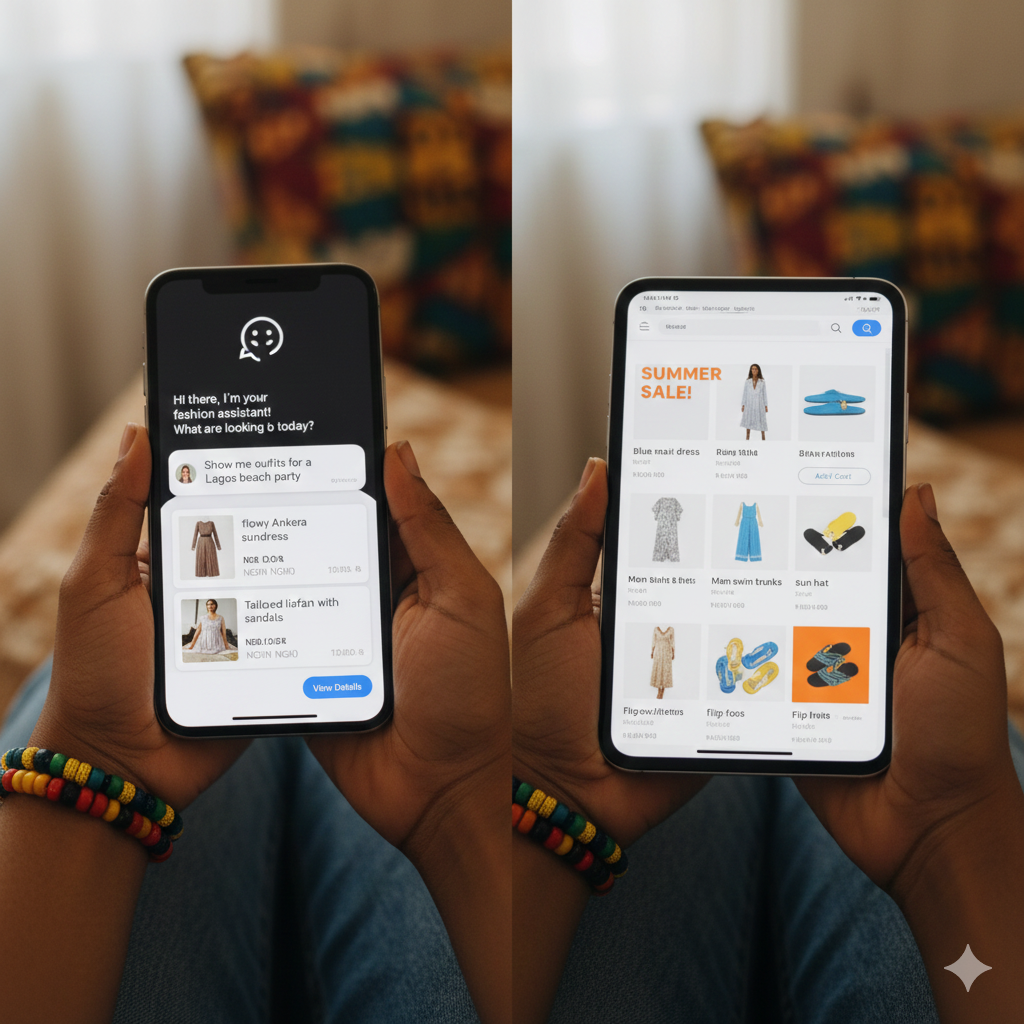
Nigerian retailers are witnessing a fundamental shift in how consumers discover and purchase products online. While traditional search engine optimization and social media advertising remain important, artificial intelligence chatbots like ChatGPT, Google’s Gemini, and voice assistants are increasingly influencing shopping decisions across Lagos, Abuja, and other major Nigerian cities.
This transformation presents both opportunities and challenges for Nigerian businesses. Retailers who understand how AI platforms work and optimize their digital presence accordingly will gain a competitive advantage during peak shopping seasons like Black Friday, Christmas, and back-to-school periods. The question facing Nigerian business owners and marketing managers is no longer whether to adapt to AI-driven commerce, but how quickly they can implement effective strategies.
1. Understanding AI-Powered Shopping in the Nigerian Market
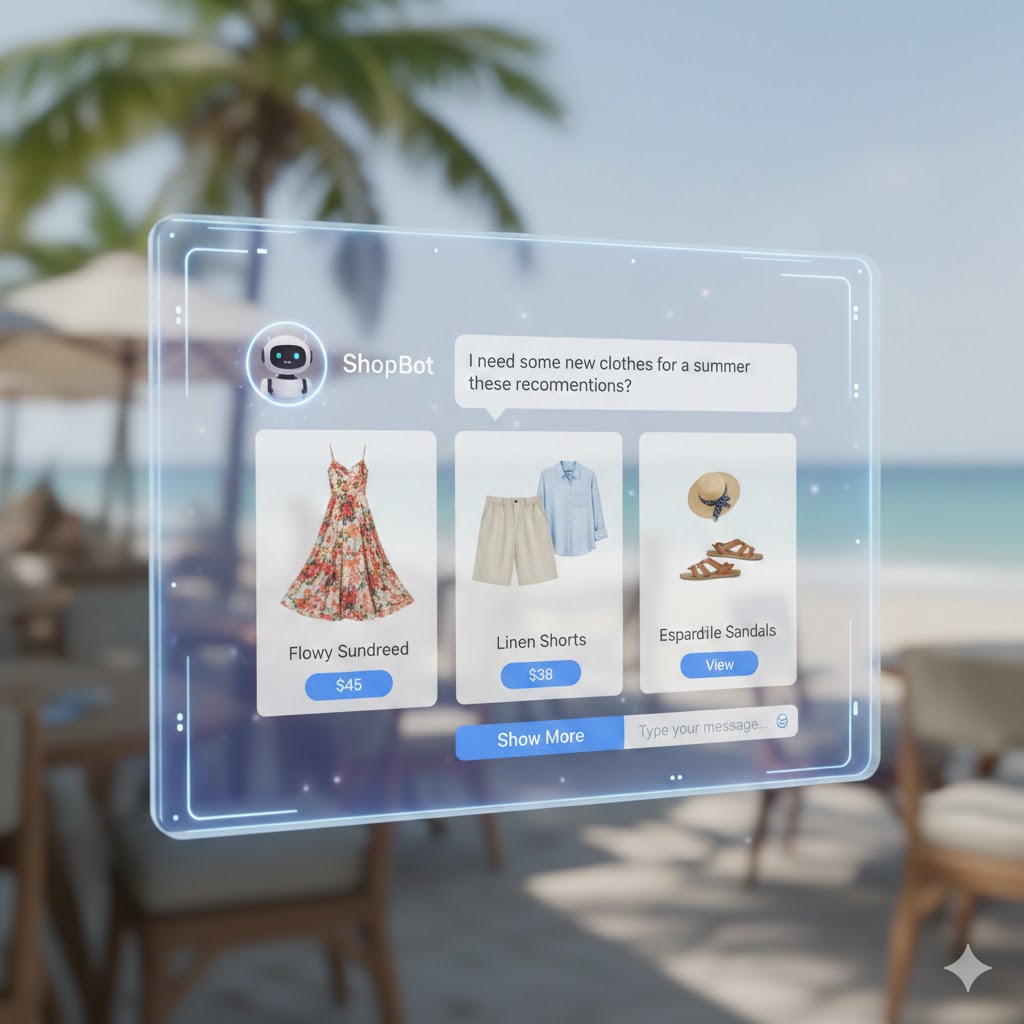
AI shopping assistants function differently from traditional search engines that Nigerian businesses have spent years optimizing for. Rather than displaying a list of website links ranked by advertising spend and SEO metrics, AI chatbots provide conversational recommendations based on vast amounts of data scraped from across the internet.
When a Nigerian consumer asks ChatGPT “What’s the best smartphone under ₦200,000?” or tells Gemini “Find me affordable office furniture in Lagos,” these AI platforms analyze product descriptions, customer reviews, blog posts, social media content, and other digital information to formulate responses. The AI then recommends specific products and retailers, often with detailed comparisons and reasoning.
This shift is particularly significant in Nigeria where mobile commerce dominates. Nigerian consumers who already spend significant time on their smartphones are natural early adopters of AI shopping tools. Young professionals in Lagos and tech-savvy university students across Nigeria are experimenting with ChatGPT and Gemini for product research, price comparisons, and purchase recommendations.
Early data from global markets shows that shoppers reaching retail websites through AI referrals demonstrate 30% higher purchase intent compared to traditional search engine users. While current AI-driven traffic represents a small percentage of overall visits, the trajectory indicates substantial growth. Nigerian retailers who position themselves effectively now will benefit as this channel expands.
2. Why Traditional SEO Strategies Fall Short for AI Visibility
Nigerian businesses have invested heavily in Google Ads, Facebook advertising, and search engine optimization over the past decade. These strategies target specific keywords that potential customers type into search bars. However, AI chatbots operate through a fundamentally different mechanism.
AI platforms cannot be influenced through paid advertising in the same way search engines can. ChatGPT doesn’t display sponsored results at the top of recommendations. Gemini doesn’t rank retailers based on who spent the most on Google Ads. Instead, these AI systems rely on the quality, depth, and accessibility of information available about products and businesses across the internet.
This creates a more level playing field for Nigerian retailers. A small business in Ikeja with comprehensive product information and strong online reviews can potentially receive AI recommendations alongside major retailers if their digital content meets AI requirements. The challenge lies in understanding what information AI scrapers prioritize and how to structure that information for maximum visibility.
Nigerian retailers face additional challenges related to local market context. Many AI platforms are trained primarily on Western markets and may not fully understand Nigerian consumer preferences, local brands, or regional shopping behaviors. Forward-thinking Nigerian businesses are addressing this by creating Nigeria-specific content that helps AI systems understand the local market context.
3. How AI Scrapers Find and Use Retail Information
AI platforms rely on automated scrapers—sophisticated programs that continuously crawl websites, social media platforms, review sites, and other digital sources to gather information. These scrapers function differently from traditional search engine crawlers, prioritizing different types of content and information structures.
AI scrapers look for comprehensive product descriptions that answer common customer questions. They value detailed specifications, clear pricing information, availability status, and shipping details. For Nigerian retailers, this means product pages should include information about delivery to specific Nigerian cities, payment options including bank transfers and mobile money, and customer support contact methods familiar to Nigerian consumers.
Social media content plays a crucial role in AI visibility. Scrapers extract information from Facebook posts, Instagram captions, Twitter threads, and increasingly from platforms like TikTok where Nigerian influencers review products. The text accompanying social media posts, video transcripts, and user comments all feed into AI knowledge bases.
Some progressive retailers are creating dedicated pages specifically designed for AI scrapers. These pages, invisible to human shoppers, contain structured information about products, categories, and inventory in formats that AI systems easily digest. While this approach is still emerging globally, Nigerian early adopters could gain significant competitive advantages.
Blog content and educational articles dramatically improve AI visibility. When Nigerian retailers publish helpful content answering common customer questions—”How to choose the right generator for Nigerian homes” or “Best fabrics for Lagos climate”—this information becomes part of AI training data. When consumers later ask related questions, the AI may reference or recommend the retailers who provided that educational content.
4. Practical Strategies for Nigerian Retailers
Nigerian businesses can implement several practical strategies to improve their visibility in AI-powered shopping assistants without massive budget increases.
Content Expansion Strategy: Increase the frequency and depth of published content. Rather than posting three to four blog articles monthly, aim for fifteen to twenty pieces of substantial content. This content should address specific questions Nigerian consumers ask about products and services. A Lagos-based furniture retailer might publish articles on “Space-saving furniture for small Lagos apartments” or “Humidity-resistant materials for coastal Nigerian homes.”
Reddit and Forum Participation: Nigerian retailers should establish presence on Reddit, Nairaland, and other forums where consumers discuss products and share recommendations. AI scrapers heavily weight information from these community discussions. Authentic participation in conversations (not obvious advertising) builds trust and visibility.
Video Content with Transcripts: YouTube, TikTok, and Instagram videos should include detailed written descriptions and transcripts. AI scrapers can extract product information from video text content. Nigerian retailers demonstrating product features in video format with comprehensive descriptions make this information available to AI systems.
Review Aggregation: Encourage customer reviews across multiple platforms—Google Reviews, Facebook, Instagram testimonials. The volume and detail of customer feedback influences AI recommendations. Nigerian businesses should make review submission easy and respond professionally to all reviews, demonstrating engagement and reliability.
Structured Data Implementation: Technical implementation of schema markup and structured data helps AI scrapers understand product catalogs, pricing, and availability. Nigerian retailers should work with web developers to ensure proper technical structure.
[Suggested Image Placement 3: Insert screenshot example of well-optimized product page with annotations]
5. Voice Assistant Optimization for Nigerian Market
Voice assistants like Google Assistant, Alexa (though less common in Nigeria), and Siri represent another AI-powered shopping channel. Nigerian consumers increasingly use voice commands to search for products, compare prices, and place orders, particularly while multitasking or driving.
Voice search optimization requires different approaches than traditional text-based SEO. Nigerian consumers use conversational language when speaking to voice assistants: “Find me a good tailor near Lekki” rather than typing “tailors Lekki Lagos.” Retailers should optimize content for natural language queries common among Nigerian consumers.
Local business information becomes critical for voice search. Accurate Google My Business listings with complete address information, operating hours, and contact details help voice assistants recommend nearby retailers to Nigerian consumers. Businesses should ensure consistency across all online directories and platforms.
Question-based content performs well in voice search. Articles structured around questions Nigerian consumers actually ask—”Where can I buy original Samsung phones in Abuja?” or “Which supermarket in Lagos has the best prices?”—align with voice search patterns.
6. Measuring AI-Driven Traffic and ROI
Nigerian retailers need methods to track whether AI optimization efforts generate results. Unlike traditional digital advertising with clear metrics, AI-driven traffic requires different measurement approaches.
Website analytics tools can identify referral traffic from AI platforms. Setting up tracking for visitors arriving from ChatGPT, Gemini, or voice assistants allows measurement of this emerging channel. Nigerian businesses should monitor not just traffic volume but conversion rates, as early data suggests AI-referred visitors demonstrate higher purchase intent.
Engagement metrics provide insights into content effectiveness. Time on page, pages per session, and bounce rates for AI-referred traffic indicate whether content meets visitor expectations. Nigerian retailers should compare these metrics across different traffic sources.
Brand mention tracking across the internet reveals whether content strategies are working. Tools that monitor mentions of business names, products, or unique brand terms across blogs, social media, and forums indicate growing digital presence that feeds AI knowledge bases.
Customer surveys can directly assess AI influence. Asking new customers “How did you hear about us?” with specific options for AI assistants provides qualitative data about this channel’s importance.
7. Future Outlook: AI Shopping in Nigerian Retail
The trajectory of AI-powered shopping suggests significant growth in Nigerian markets over the next few years. As internet penetration increases across Nigeria and smartphone adoption continues growing, more Nigerian consumers will encounter and adopt AI shopping tools.
Generation Z Nigerians—those currently in universities or early career stages—show highest adoption rates for AI tools. While this demographic currently has less purchasing power than older generations, they represent the future of Nigerian retail. Businesses optimizing for AI now position themselves for long-term success as these consumers enter their peak earning years.
Local AI development initiatives in Nigeria could accelerate adoption. As Nigerian tech companies develop AI solutions tailored to local markets, these tools will better understand Nigerian consumer preferences, local brands, and regional shopping behaviors. Nigerian retailers who participate in these emerging ecosystems will gain advantages.
Regulatory developments will shape how AI shopping evolves in Nigeria. The Nigerian Communications Commission and other regulatory bodies will likely address AI-powered commerce as it becomes more prevalent. Forward-thinking retailers should monitor regulatory discussions and participate in industry associations shaping these frameworks.
Integration between AI assistants and mobile money platforms common in Nigeria will streamline purchasing. As tools like ChatGPT integrate with payment systems familiar to Nigerian consumers, friction in AI-powered purchases will decrease, driving adoption.
Conclusion
Nigerian retailers face a pivotal moment as AI-powered shopping assistants reshape how consumers discover and purchase products. While traditional digital marketing channels remain important, businesses that optimize for AI visibility now will capture growing market share from this emerging channel.
The strategies outlined content expansion, forum participation, video optimization, review aggregation, and technical implementation provide practical starting points for Nigerian businesses of all sizes. Success requires consistent effort and willingness to experiment with new approaches.
Nigerian retailers who embrace this transformation will differentiate themselves from competitors still focused exclusively on traditional search and social media advertising. The question is not whether AI will influence Nigerian shopping behavior, but which businesses will be visible when Nigerian consumers ask AI assistants for recommendations.